Mahale Mountains National Park

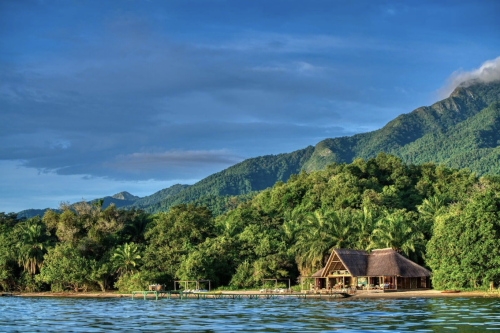
White beach on Lake Tanganyika, with mountains full of rainforest behind it where wild chimpanzees live. No roads, no vehicles, only a boat and your own legs. One of the quietest places in Tanzania.

Mahale Mountains in short

Size

About 1,600 square kilometres (618 square miles), on the eastern shore of Lake Tanganyika

What Mahale Mountains is known for

Wild chimpanzees, mountain rainforest and a lake with clear water

Mahale Mountains from Arusha, Ruaha or Dar es Salaam

By air only, followed by a boat transfer along the shore

Best time to visit Mahale Mountains

August to October, when the chimpanzees sit lower in the mountains

We recommend

Three or four nights
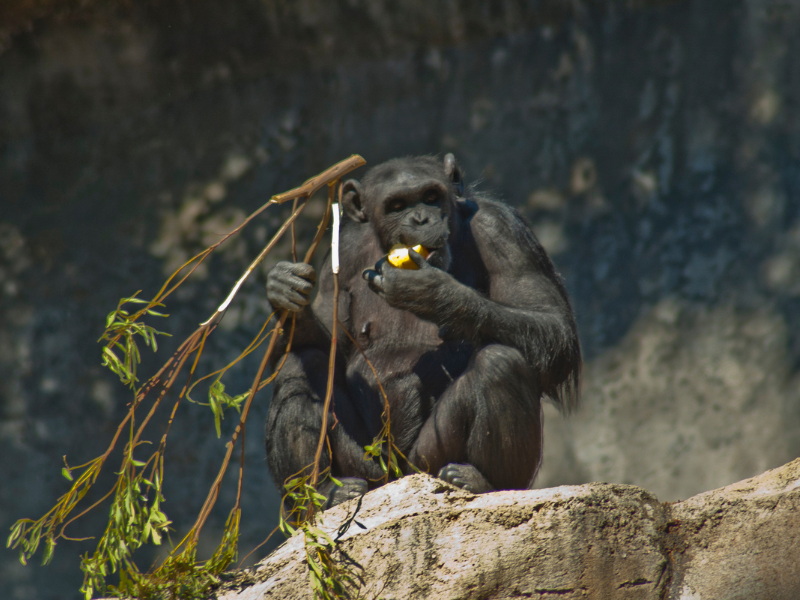
Why go to Mahale Mountains National Park

You land on a grass strip, step into a boat, and travel along a shore where mountains rise straight out of the water. White beach, water so clear that you see the bottom, and behind it steep slopes with dense rainforest. This landscape exists nowhere else in Tanzania.

Lake Tanganyika is the second deepest lake in the world, and it lies there quietly. At the end of the afternoon guests often simply sit on the beach watching fishing boats in the distance, with the mountains behind them. That is the setting of every day here.

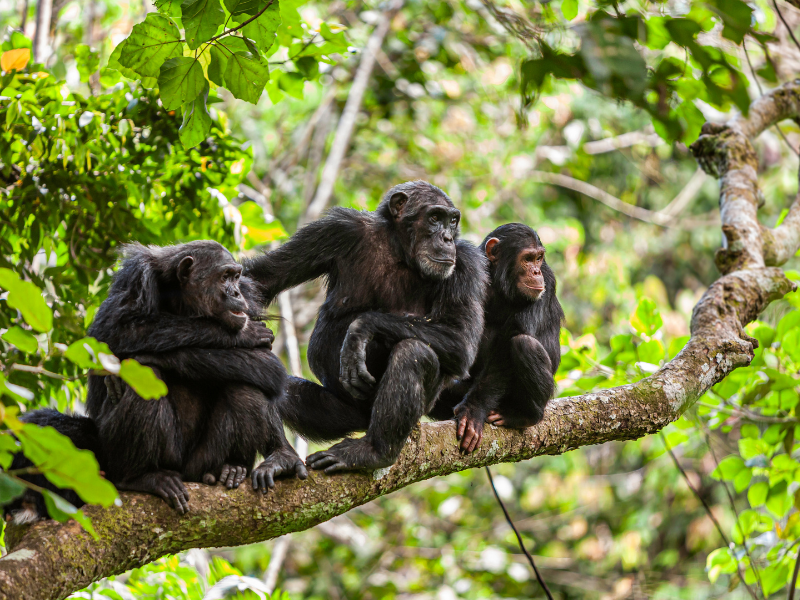
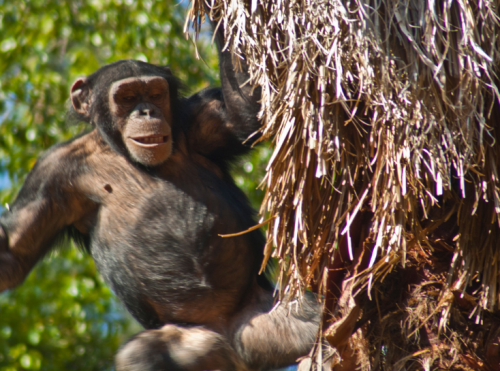
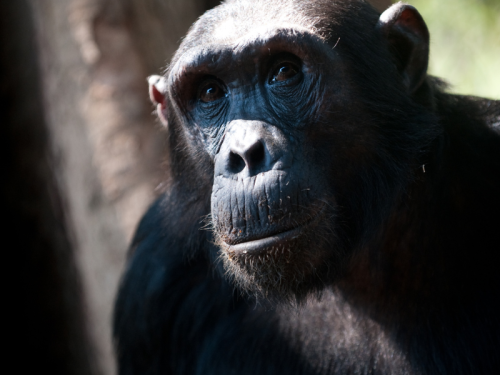
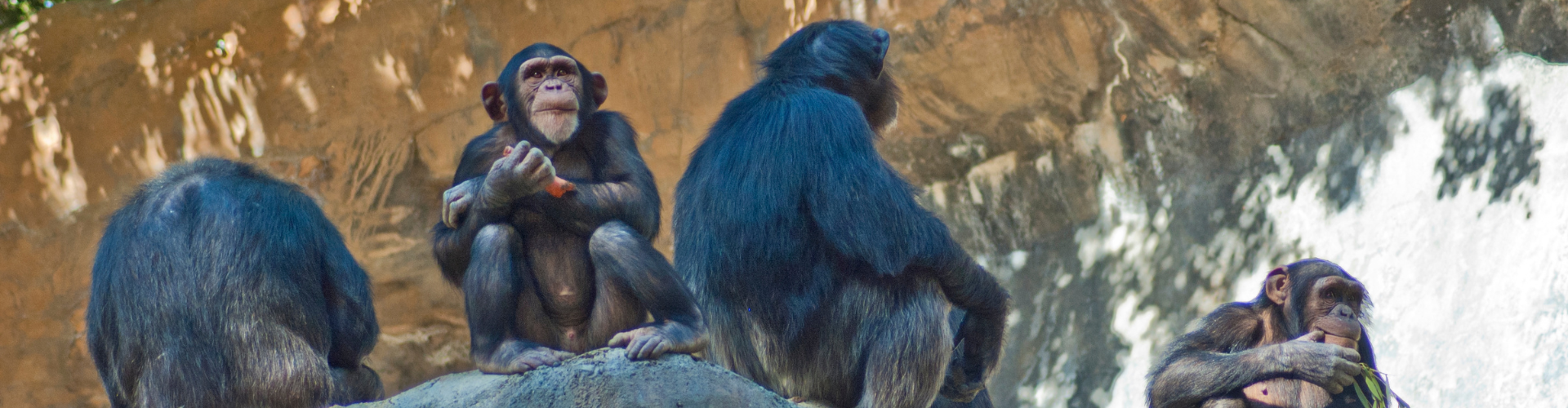
And in the morning you walk into those mountains. In the forest above the camps lives the M group, a community of about sixty chimpanzees that researchers from Kyoto University have followed since the sixties. After Gombe that is the longest running study of wild chimpanzees in the world, and it is those decades of habituation that let you see them from so close.

What you then experience is hard to sum up. You hear them first, a burst of calling somewhere in the forest above you. You climb up to it, and then a group of chimpanzees sits around you, grooming each other, squabbling, with young hanging from branches. One hour is all you get, and that hour is what the whole trip turns on.

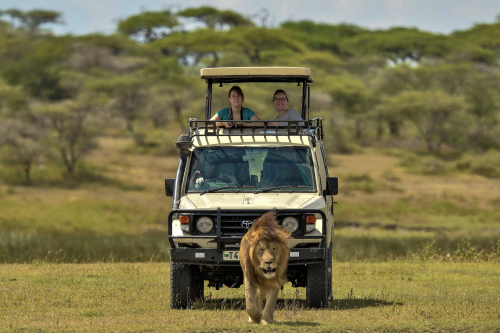
There are no roads in the park and no vehicles. You get there by plane and boat, and you move on foot or over the water. So there are no game drives, no night drives and no Big Five. Anyone who wants to see elephant herds and lions on a plain needs to be in the Serengeti or Ruaha.

Mahale is an addition to a safari, not a replacement for it. And it asks something of you, because the chimpanzees are in the mountains and you have to climb to them.

What you see in Mahale Mountains National Park

Everything here turns on primates and on the lake. What you see depends on where the chimpanzees are that day and how many days you have to look for them.

The chimpanzees

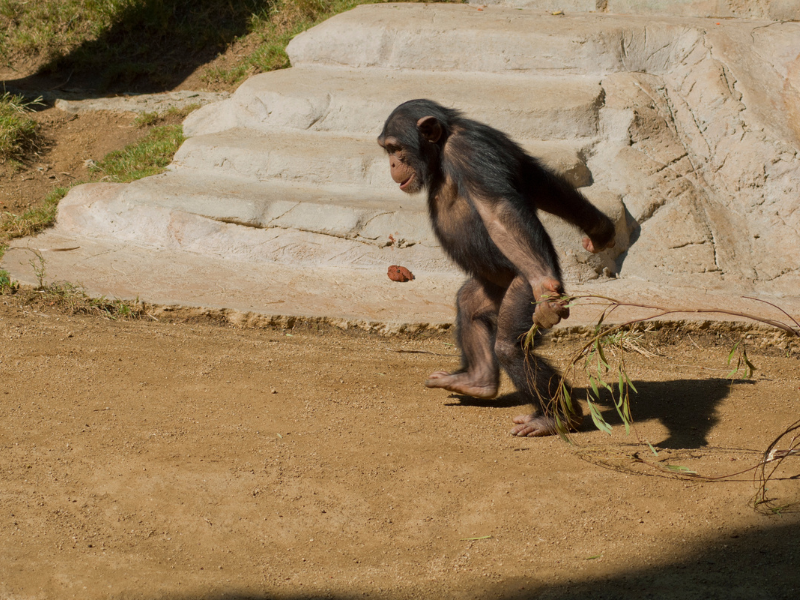
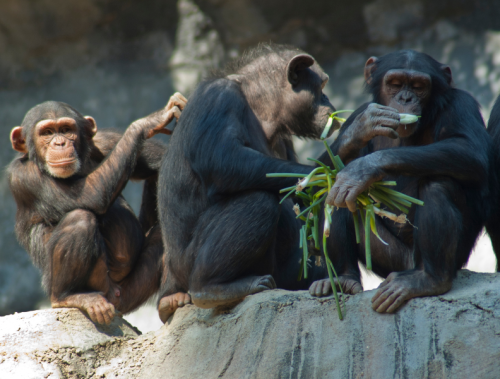
The park holds an estimated eight hundred to a thousand chimpanzees. The group visitors see is the M group, about sixty animals, used to people through sixty years of research. They are never guaranteed. They are wild animals that move freely through the mountains, and a trek can fail. With two or three trekking days the chance is good, with one day it is a gamble. That is the main reason you stay several nights here.

The rules with the chimpanzees

Chimpanzees are genetically so close to us that they pick up our respiratory viruses, and a cold can be fatal for them. So strict rules apply. You go with a maximum of six people at a time, and each chimpanzee group may receive only one visitor group per day. You stay an hour at most, keep at least ten metres (33 feet) away, wear a face mask near the animals, and flash photography is forbidden. Anyone who is ill does not go. The minimum age is twelve.

What else you are almost certain to see

Red colobus, red-tailed monkey, blue monkey and yellow baboon, often on the way to the chimpanzees. Beyond that plenty of birds, and in the lake the cichlids, the colourful fish Lake Tanganyika is known for and which you can snorkel over.

What not to count on

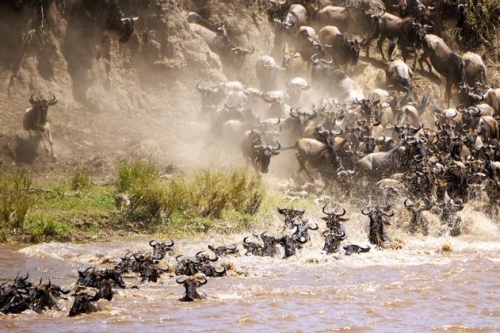
Lion, leopard, sable and roan antelope do occur in Mahale, but in the eastern miombo and grasslands, a part of the park where no visitors come. Operators who write that you see lion and chimpanzee in one park here are formally right and still leave the wrong impression. There are no elephant herds, no rhino and no game drives. A traveller put it plainly, if you want to see the Big Five, this is not the place.

Where you are in the park

In practice you visit a narrow strip of a large park. The camps lie on the western shore, around Kansyana and Kasiha, where the research station and the landing points are too. Each camp has its own beach and jetty, and just about everything you do starts there, whether you head into the mountains or out onto the water. Above those camps lies the rainforest where the M group lives. That is the trekking area, and how far you have to climb depends on where the chimpanzees are that day. Higher up the range lies the Nkungwe peak, at nearly 2,500 metres (8,200 feet). You can climb it, but that is a multi-day trip with camping on the way, only for those who are fit and arrange it in advance. The rest of the park, by far the largest part, is miombo woodland and grassland on the eastern side. There are no facilities there and no visitors come.

Your trackers makes the difference

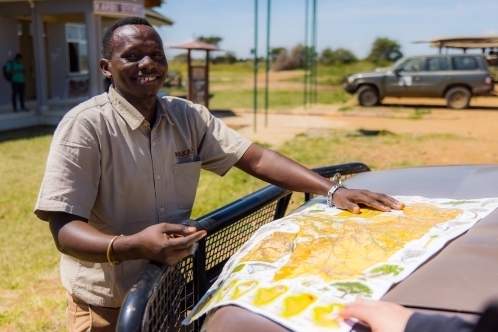
Before you leave in the morning, the trackers are already in the forest. They follow the M group daily and know where the animals built their nests the evening before, so they start there and search on from that point. They work with sound and with tracks. A burst of calling in the distance, broken branches, freshly eaten fruit on the ground. When they find the group they pass it on, and then you walk to it. That system is the reason you have a chance here at all. The forest is steep and dense, the chimpanzees move fast, and without people following them every day you would almost never find them.

Your guide does something alongside that which matters just as much. He sets the pace on the climb, because the paths are steep and often slippery, and he makes sure you are calm and quiet when you reach the animals. That last part is not only etiquette, it decides how long the group stays put.

The best time to go to Mahale Mountains National Park

Mahale has a dry season of roughly May to October and a wet season from November to April. It is warm and humid here all year. Where the chimpanzees sit decides how hard your trek will be, and that differs by season.

August to October

This is the best period to travel to Mahale Mountains. The chimpanzees then sit more often on the lower slopes, close to the camps, and the forest paths are firm instead of slippery. That makes the treks shorter and easier, and your chance of finding them greater. October is the warmest month.

June and July

The start of the good season. The rains are over, the paths dry out, the camps are open and the flights run reliably. Comfortable climbing, and a little quieter than in the peak.

November to February

The rains return, the forest is green and the waterfalls come to life. There are few visitors, and birds and butterflies in abundance. The flights usually run as normal. The chimpanzees can sit higher in the mountains though, which makes the treks longer and harder.

March to the middle of May

The heavy rains. Most camps close, roughly from the beginning of March to the end of May, and the shared flight from Arusha does not fly in that period. The paths are steep, muddy and slippery. This is not a good time to go.

How long to stay

Three or four nights. The scheduled flight runs on Monday and Thursday, and that sets your stay. Arrive on Monday and leave on Thursday and that is three nights. The other way round it is four. That works out well, because you need those days. Chimpanzees are never guaranteed, and with two or three trekking days your chance is good. With one trekking day it is a gamble, and then you have travelled far and paid a lot for something that can fail. That is why Mahale does not work as a short stop.

Extra days give you more than just a second chance. They give time for the lake, for kayaking and snorkelling, for a forest walk to the waterfalls, and to recover after a hard climb. The lake is not the backdrop of the trip, it is the second reason to come.

Where it fits in your route

Mahale lies in the far west and is reachable only by air, with a boat transfer along the shore to your camp. The flights run on Monday and Thursday, from the south out of Ruaha and from the north on a shared charter out of Arusha, which can pick up in the Serengeti on the way. Reckon on a full day of travelling. Both routes call at Katavi, and that is the most logical neighbour. First the plains and swamps, then the chimpanzees at the lake.

Mahale works best as the close of a larger trip. You usually do your safari in Tanzania first, and then fly west for the chimpanzees and a few days at the lake. It is not a stop along the way, the flight days and the travel time are too restricting for that.

Where you sleep at Mahale

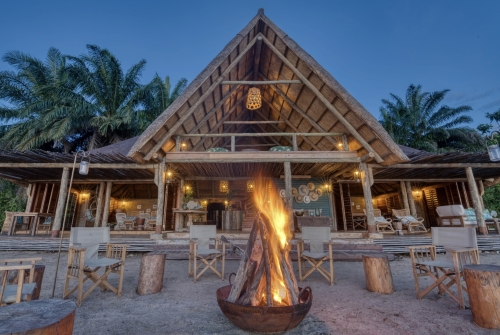
In the whole park there are only two camps that come into consideration for our travellers, together good for about sixteen tents. Both lie on the beach, with their own jetty and with the forest directly behind them. One is a small tented camp, with a handful of tents of wood and canvas, built with timber from old dhows. The other lies a little further along the same shore, with tents on raised platforms under thatched roofs. From both you trek to the same habituated group of chimpanzees, so the difference is not in what you see. Everything has to be brought in by boat or plane, there is no road, and there are only sixteen tents in a park of sixteen hundred square kilometres. Reckon on one of the most expensive stays in Tanzania.

Frequently asked questions about Mahale Mountains National Park

Am I certain to see chimpanzees in Mahale?

No, and nobody can promise that. They are wild animals that move freely through the mountains. Trackers follow the group every day, which increases the chance considerably, and with two or three trekking days that chance is good. With one day it is a gamble, and that is exactly why you stay several nights here.

How hard is the trek to the chimpanzees?

That differs by day, from twenty minutes to several hours. On average you walk two to four hours over steep, often slippery forest paths, in a warm and humid climate. Anyone who walks regularly at home will manage this. From August to October the chimpanzees sit lower more often, which makes the treks shorter.

Can children come to the chimpanzees?

From twelve years old, and that limit is strictly enforced. Younger children are not allowed into the mountains. That makes Mahale unsuitable for families with young children.

What rules apply with the chimpanzees?

A maximum of six visitors per group, one group a day per chimpanzee community, an hour at most with the animals, at least ten metres distance, a face mask near them and no flash photography. Anyone with a cold or otherwise ill does not go. Chimpanzees are sensitive to our respiratory viruses, and those rules protect them.

Can you swim in Lake Tanganyika?

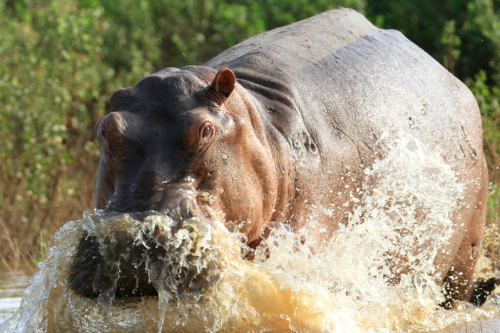
There is swimming and snorkelling at the camps, and the camps report that there are no crocodile or hippo at their beaches. Opinions differ on bilharzia in Lake Tanganyika, also called schistosomiasis, and some doctors advise taking precautions. We would rather put that in front of you plainly than tell you it is safe without question.

Can you do a game drive in Mahale?

No. There are no roads and no vehicles in the park. You move on foot or by boat. That goes for night drives and balloon flights too, they do not exist here.

What is the difference between Mahale and Gombe?

Both are chimpanzee parks on Lake Tanganyika. Gombe is much smaller, lies close to Kigoma and is therefore cheaper to reach, and it is Jane Goodall's park. Mahale is larger, more remote and more expensive, with better accommodation and mountains that rise straight out of the lake.

When is the best time to go to Mahale?

August to October is best, because the chimpanzees sit lower in the mountains then and the paths are firm. From March to the middle of May most camps are closed.

Mahale Mountains in your Tanzania trip

Mahale is a trip in itself, and one of the most unusual things Tanzania has to offer. Chimpanzees in the wild, a lake with clear water, and mountains that rise straight out of it. It is more exclusive and more expensive than an ordinary safari, and that is because there are only a handful of small camps and you get there by air alone. Against that, you sit in one of the quietest places in the country, and you are with the chimpanzees with a maximum of six people at a time. Tell us when you want to go and what you already have in mind, and we will think with you about how Mahale fits into your trip.

Combining Mahale with a safari

Mahale is an addition to a safari, not a replacement for it. You usually do your safari first and then fly west for the chimpanzees and the lake. These three itineraries combine most easily, although we put every trip together to order, so we fit Mahale into another route as well.
Tanzania Safari Makasa Jeep

Safari and Zanzibar

The classic tour through the north, from Lake Manyara, the Ngorongoro Crater and the Serengeti, with Zanzibar to finish. The charter to Mahale slips in logically between.

Tanzania Great Migration

Nine days following the migration through the Serengeti, with Tarangire and the Ngorongoro Crater on the way. The charter then takes you west, to the chimpanzees in the mountain forest.

Southern Tanzania

Fifteen days through Nyerere, Mikumi and Ruaha, far from the crowds. This is the smoothest connection of the three, because the scheduled flight that goes via Katavi to Mahale leaves from Ruaha.