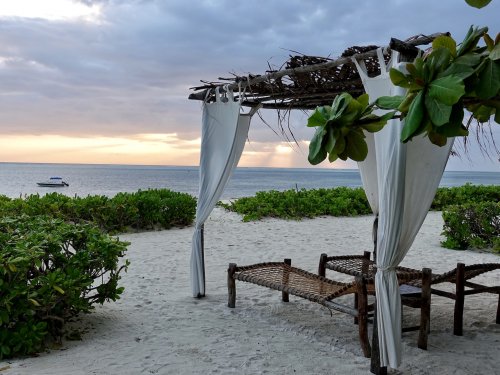
Zanzibar Beach

Zanzibar

Which coast suits your month, how many nights you need, and what the tide does to both.

Zanzibar Beach

Zanzibar, the island in short

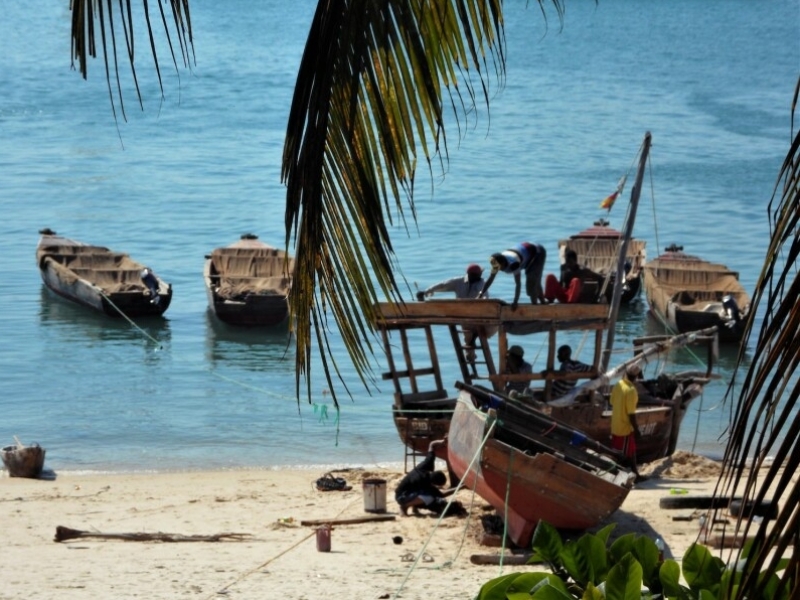
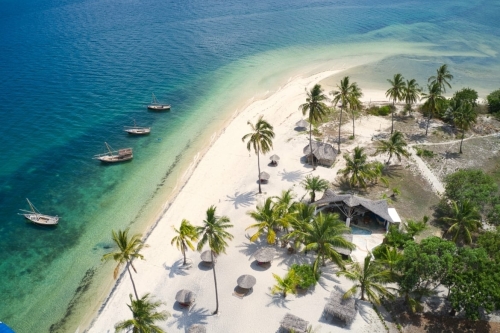
Zanzibar lies in the Indian Ocean, off the coast of Tanzania. A coral reef runs around almost the whole island, and inside it the water changes colour and depth twice a day. In the north you swim all day. On the east coast the sea pulls back hundreds of metres at low tide and you walk out over exposed reef, between the seaweed fields where the women are working. Behind that lies the rest of the island. Stone Town with streets too narrow for cars, cloves and cardamom on the plantations inland, and a forest where the red colobus lives, a monkey found nowhere else in the world. Many travellers combine Zanzibar with a safari on the mainland, others start here. However you do it, this is what a beach holiday on Zanzibar is really made of.
Stone Town

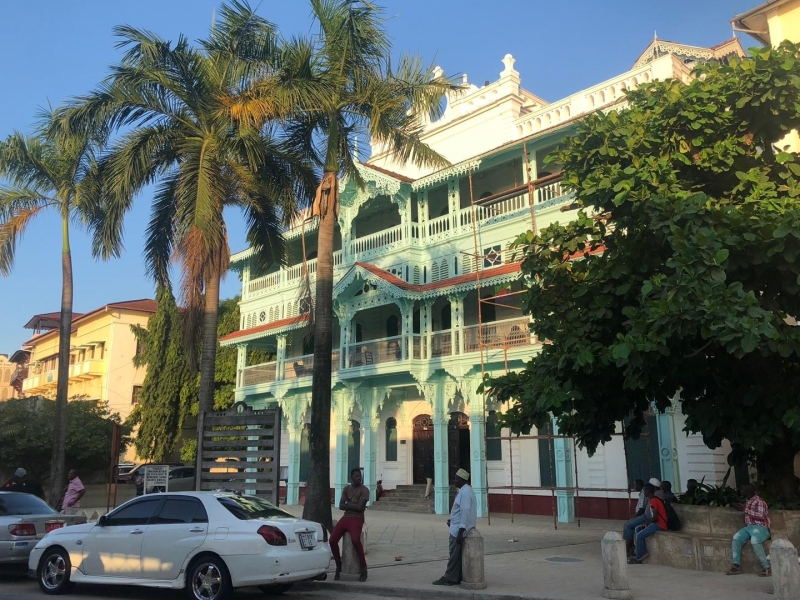
Stone Town is the old heart of Zanzibar City and has been on the World Heritage list since 2000, as the best preserved Swahili trading town on the East African coast. Built from coral stone and mangrove wood, with narrow rooms around courtyards. The streets are too narrow for cars, so you walk.

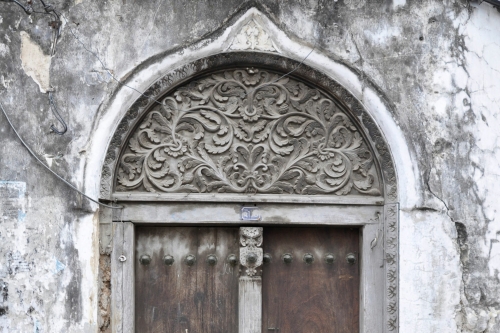
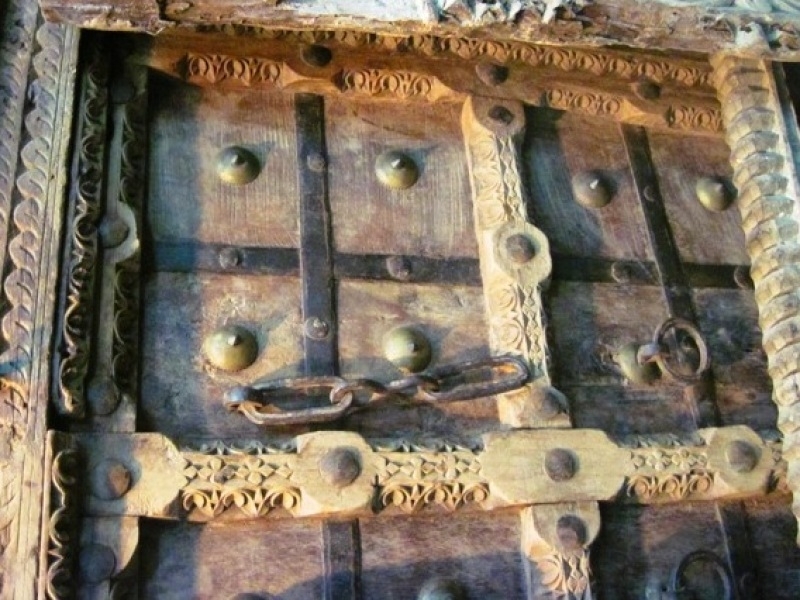
The doors are the first thing you notice. They were made before the house was there, because the house came up around them, and from the carving you could tell what the family behind it was worth. Swahili, Omani and Indian side by side in the same street. The brass bosses on the Indian doors come from India, where they were meant to protect forts against war elephants. There have never been elephants on Zanzibar.

Beyond that you walk past the Old Fort, past the House of Wonders, which has been in scaffolding since it collapsed in 2020, and past the Darajani market where the fish lies out on tables in the morning. On the site of the former slave market now stands the Anglican cathedral, with the altar where the whipping post stood and the cellars underneath where people were held. That is the heaviest thing you visit on the island, and the most important.

At the end of the afternoon the Forodhani gardens by the sea fill up with stalls. One night is the minimum to take anything of the town in. Two nights gives room for a walk with someone who knows what is behind those doors, and for an afternoon with no programme.

What else there is to do on the island

Rest comes first on Zanzibar. This is what we arrange for anyone who wants more than the beach.

On the water

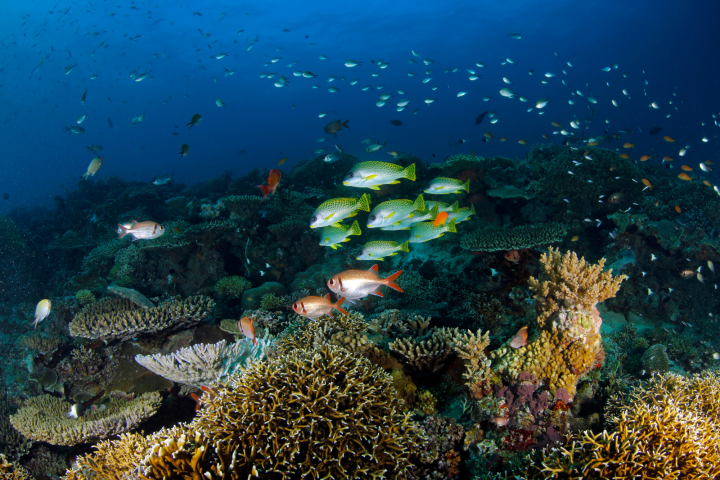
Snorkelling at Mnemba

The best reef on the island, from the north-east coast. From Stone Town and the south the boats go out to Bawe.

Nakupenda

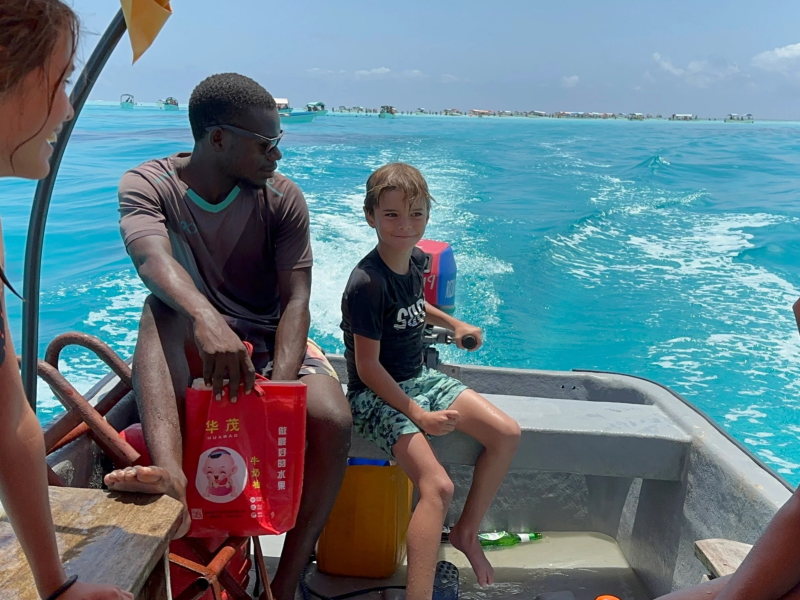
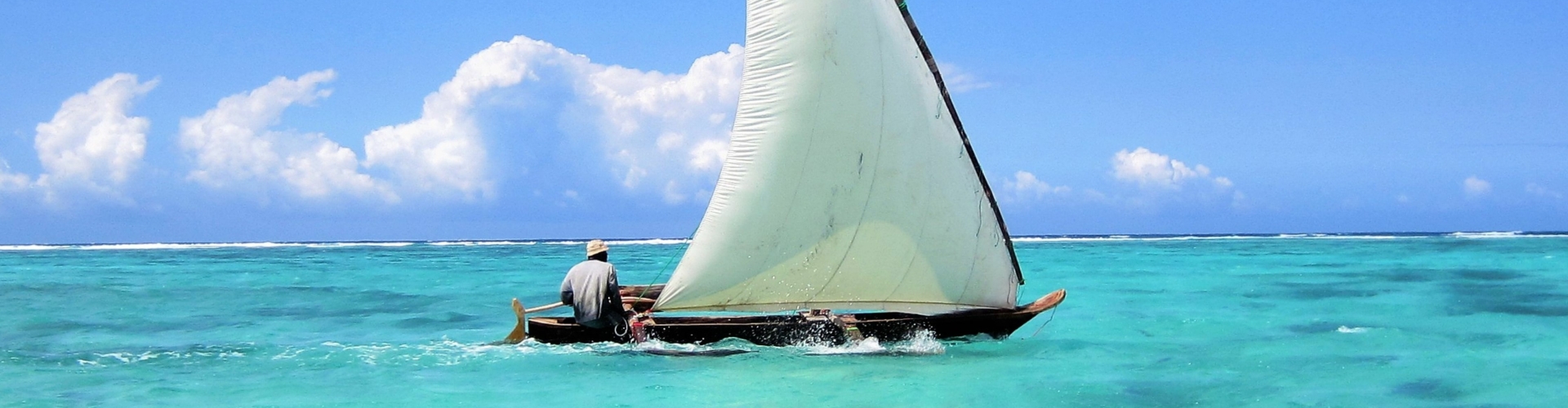
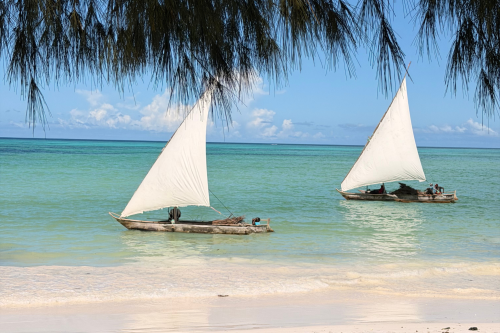
Sailing to Prison Island and then on to a sandbank that dries out at low tide, where the boatman grills fresh fish on the spot. The order of the day depends on the tide.

Safari Blue

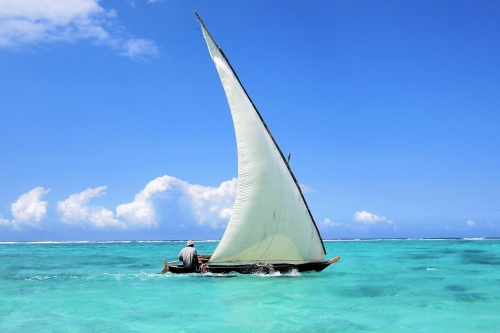
Leaving from Fumba in the south-west, a day on a wooden dhow with snorkelling, a sandbank and swimming in a mangrove lagoon. Not suitable for children under five.

Chumbe Island

A fully protected reef and forest reserve that runs on what visitors pay. Day visitor numbers are capped and booking only opens two to four days ahead, so we fix this on the spot.

On the land

The spice tour

Around a plantation where cloves, cinnamon, cardamom, nutmeg, vanilla and pepper grow side by side. Zanzibar was once the largest clove exporter in the world and those plantations are still there.

Jozani Forest

The island's only national park and the only place in the world where the red colobus lives. Mahogany forest, a boardwalk through the mangroves, chameleons and suni antelope.

The Mwani centre at Paje

Here seaweed is processed on the island itself into soap, oil and scrubs instead of being exported raw. They work with around 170 seaweed farmers and fifteen women in production. At low tide you walk out onto the reef to the fields first and then go through to the workshop. The timing depends on the tide.

A cooking class with a local mama in Stone Town

Chapati, vitobwesha and plantain, and then you eat what you made.
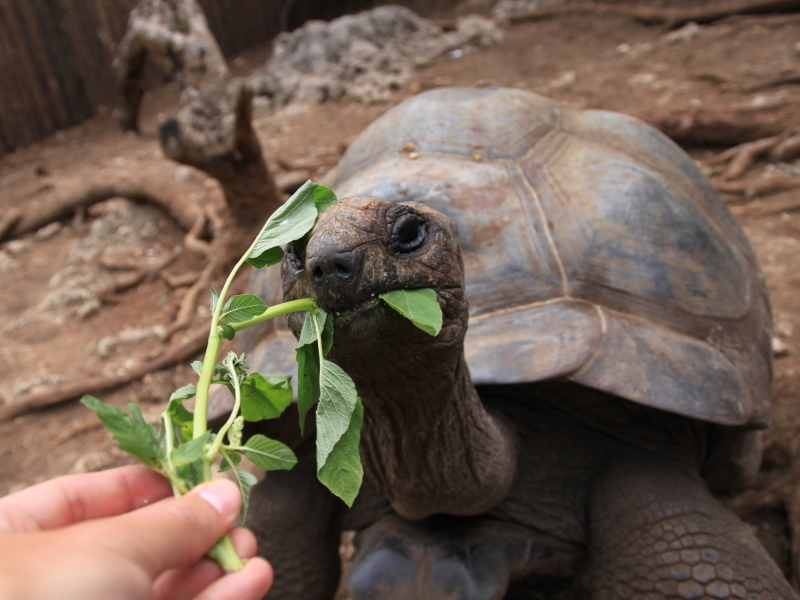
We also arrange Prison Island with the Aldabra giant tortoises, Kuza Cave with fresh water from an underground river, a dhow at sunset, fishing with local fishermen, and a visit to Tumbatu, one of the longest inhabited islands in the archipelago, where covered clothing is expected.

Swimming with the dolphins

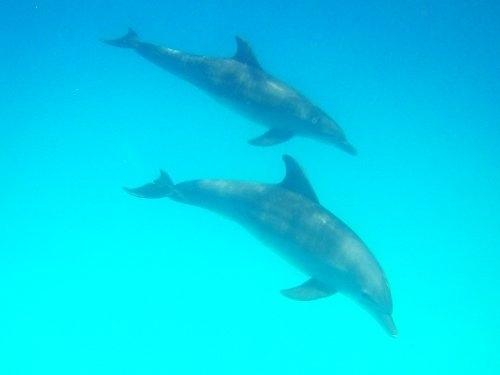
Bottlenose and common dolphins live off Kizimkazi in the south. The standard excursion takes you out by boat and you jump in the water the moment they come into sight. On an average morning several boats head for the same group. Animals that are resting get driven on, mothers with calves too. That is not an encounter, it is a chase in which one party has no say.

We do not offer this excursion. Anyone who wants to see dolphins meets them regularly from the boat at Mnemba and on the way to Chumbe, at moments when the animals decide to come and look for themselves.

How the coasts differ, north or east

Zanzibar has a large tidal range and two monsoon winds. Together they decide what the water looks like on the day you are there.

The north

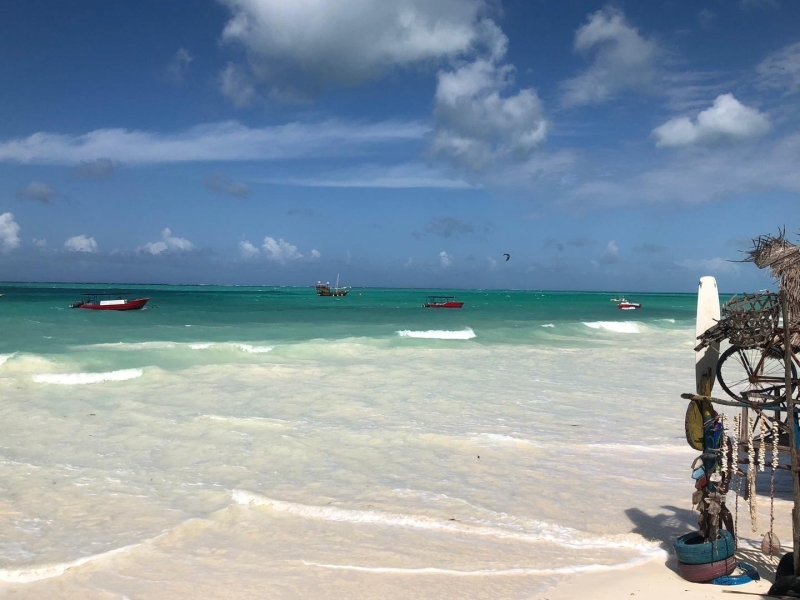
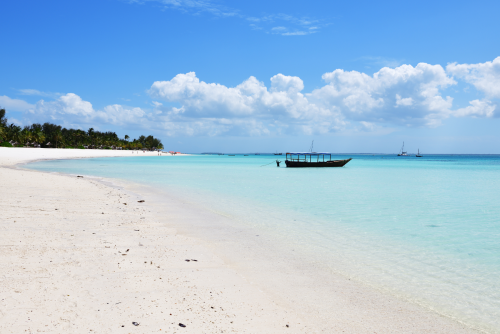
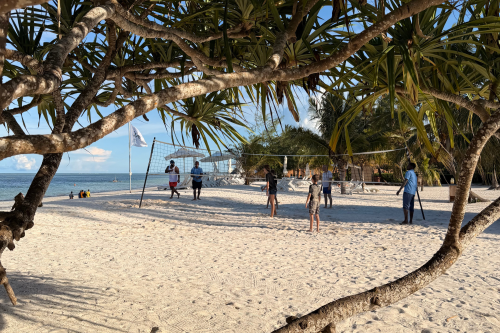
Nungwi and Kendwa. The tide has little effect here. You can go into the sea all day, three in the afternoon included. The northern tip sits sheltered from the kusi, the south-easterly that blows from June through October and hardest in July and August. That makes this the calmest side of the island for a beach holiday in the northern summer.

The east coast

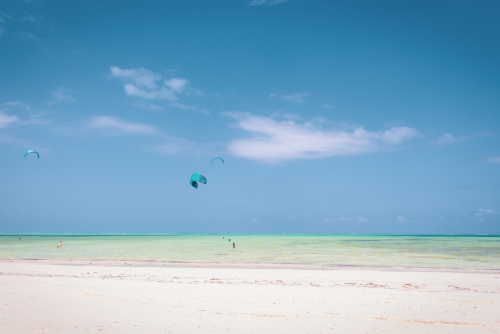
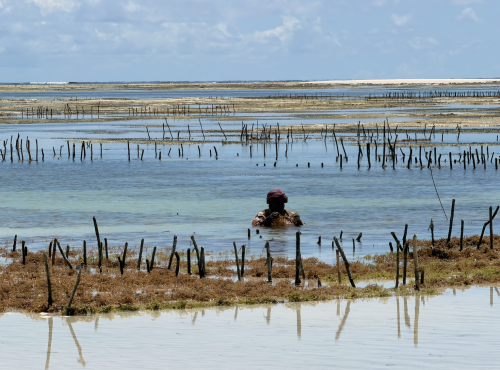
Paje, Jambiani and Matemwe. More space, quieter, less on offer. At low tide the water pulls back some two hundred metres and the reef dries out. At high tide you get the deep turquoise the island is known for. Twice a day the view outside your door changes completely. The kusi comes straight onto this coast. From June through October it is windy, which draws kitesurfers to Paje and swimmers rather less.

The seaweed

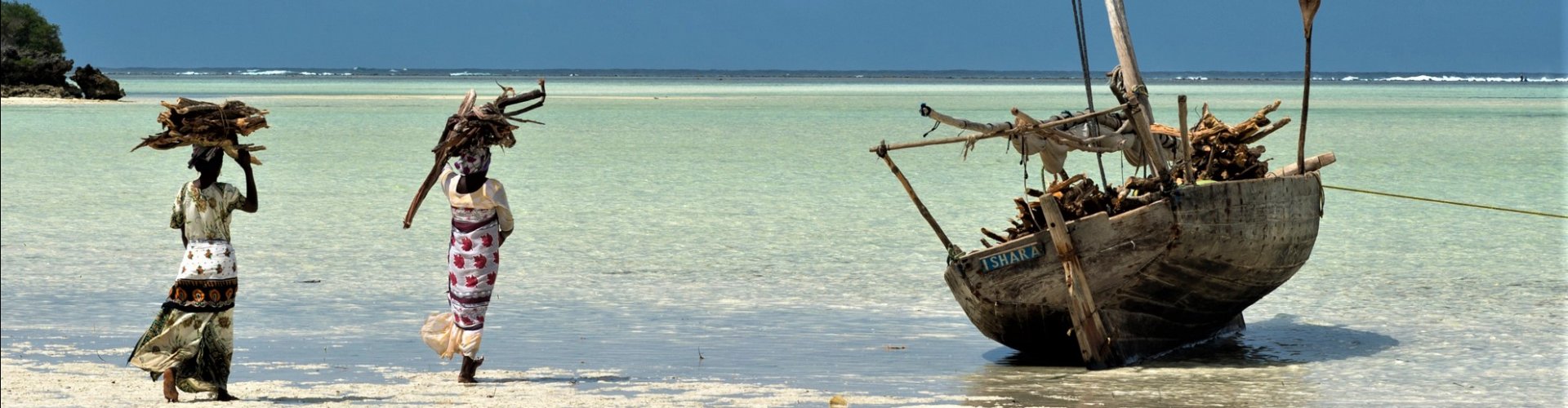
Two things get mixed up here. The seaweed fields are there all year. At low tide you see the wooden stakes and the lines between them, and the women working bent over among them. Seaweed is one of the island's biggest exports and around 23,000 people live from it, almost all of them women. It is not mess on the beach, it is the island at work.

Separately, from December through March floating seaweed washes up on the east coast, carried in by the kaskazi. Hotels rake their own stretch of beach, but you will see it lying there. Which coast works out best depends on the month you travel and on what you want to do.

Your trip to Zanzibar, what you want to know beforehand

Which coast, which month, how many nights and how it joins up with the rest of your trip. That is what we work out, based on when you are going and what you want to do. Tell us what you have in mind and we will think it through with you.

Two costs you pay on Zanzibar yourself

Separately from what you book with us, two compulsory amounts apply on Zanzibar that you settle there.

> The Zanzibar health insurance, 44 dollars per person, made compulsory by the Zanzibar authorities for every visitor.

> The infrastructure tax, 2 to 5 dollars per person per night, depending on your        accommodation.

You settle this at check-out. These two rarely appear in a travel proposal. We put them here, so that on arrival they are nothing new.

When to go, by season

Zanzibar has two dry periods, June through October and December through February. The long rains fall in March, April and May, with April the wettest month. In November it rains briefly and usually at the end of the day. The temperature sits between 25 and 33 degrees all year, 77 to 91 Fahrenheit, and the sea never drops below 25.

What differs by month is not the warmth, but the wind, the water and how busy it is. Most guidebooks write off April and May. We like going ourselves in April. It rains in short bursts, often at the end of the day, and the sun shines in between. It is cooler, the island is green, the beaches are empty and the accommodation is cheaper. If you are coming to dive and snorkel, pick another month.

Ramadan

Zanzibar is mostly Muslim. During Ramadan many restaurants outside the resorts stay closed during the day, and Stone Town is subdued by day and busy after sunset. The dates shift every year. In the hotels everything carries on as normal.

How many nights on Zanzibar

Three to four nights Arriving, seeing Stone Town, and a few days by the sea. Works for anyone with limited holiday days who still wants the contrast.


Four to six nights Room for Stone Town, your own rhythm on the beach and an excursion or two, without it getting rushed.


Six nights or more For anyone who wants to dive, or who after a long safari wants to come to a genuine standstill.

If you are combining Zanzibar with a safari, we look at the whole. Anyone with two weeks going to the Serengeti in the migration season is sometimes better off with an extra night in the north than a third day on the beach. And we say so.

Pemba and Mafia

The archipelago is made up of three inhabited islands. Unguja is the one everybody calls Zanzibar. Alongside it lie Pemba in the north and Mafia in the south, both with a fraction of the visitors and a completely different character.

Pemba is green and hilly, with steep walls underwater counted among the best diving in East Africa. For experienced divers, not for beach comfort.

Mafia lies among mangroves and lagoons, with narrower beaches and far less development. From October to February whale sharks come in off the coast.

Frequently asked questions about Zanzibar

Where is Zanzibar?

In the Indian Ocean, off the coast of Tanzania. [flight time and departure point still to be filled in], read more about where Zanzibar is.

Do you need a visa for Zanzibar?

There is no separate visa for Zanzibar, you travel on the Tanzanian e-visa of 50 dollars. A Zanzibar insurance is also compulsory, everything about visa and insurance is set out in one place.

Can you go on safari from Zanzibar?

Yes, and that is exactly what we arrange most often. Short day trips to the mainland are sold on the island, and we are not fans of those, you spend most of the day travelling and see the bush for only a few hours. If you want to go on safari from Zanzibar, fly in and out of the Serengeti and sleep a few nights in one of our own camps in the north. If you have more time, choose a longer safari across the mainland and finish on Zanzibar, as in our Safari and Zanzibar itinerary. How the flights and the timings work is on going on safari from Zanzibar.

When is the best time to visit Zanzibar?

That depends on the coast and the wind, above you can read how the seasons work. Month by month, with rain and temperature, it is on the best time to visit Zanzibar.

Is there malaria on Zanzibar?

What you need to know about malaria on Zanzibar, and what you arrange beforehand, is in our knowledge base on malaria.

More Zanzibar tips

The most beautiful beaches of Zanzibar

When it comes to beaches, Zanzibar is hard to beat. The best of them here.

The 12 best things to do on Zanzibar

Beyond sun, sea and sand, Zanzibar has a great deal more to offer.

Visit Stone Town on Zanzibar

Anyone visiting Zanzibar on a trip to Tanzania will not want to miss Stone Town.

Planning your Zanzibar trip

We know the coasts, the tides and the accommodation because we live in Tanzania and go there ourselves. What we suggest depends on the month you travel, on how long you stay on the island, and on what you want to do with your days.

There are well over a hundred places to stay on the island. We do not pick one off a list, we pick one that fits the rest of your trip.

Karibu Zanzibar.