Video Aspect Ratio: 4:1

Safari in Tanzania, private and tailor-made

A safari in Tanzania with Makasa is always private, with your own guide and your own Landcruiser, and a route we put together with you, through the parks of the north or the quiet south. We live in Moshi, so we know what these days are actually like.

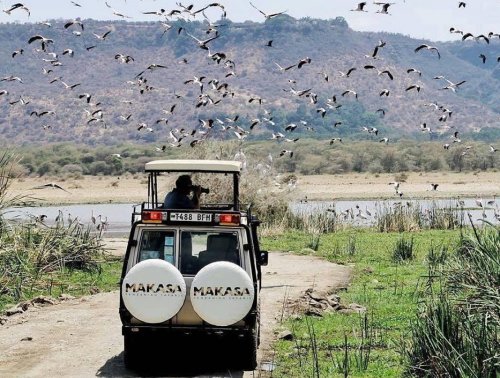
Tanzania Safari Lake Manyara

Why Tanzania for a safari in Africa

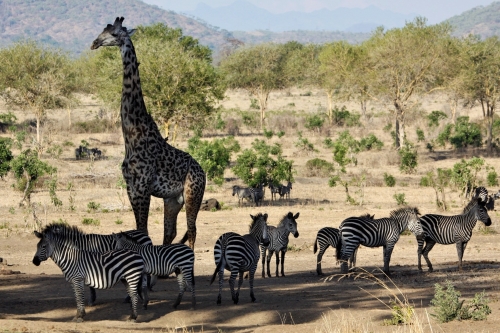
Safari means journey in Swahili. With us it is a route by jeep through the national parks, usually somewhere between three and ten days, and you sleep inside the parks or on their edge so you are out there when the animals are. In Tanzania the Serengeti, the Ngorongoro Crater and the great migration all sit inside one route, which is not true of many safari countries. In the south you drive through Ruaha and Nyerere and can go a long stretch without meeting another vehicle. When the driving is done, a domestic flight takes you from the bush to the beach on Zanzibar in a couple of hours.

All our trips are private. That means the guide and the vehicle belong to your group alone, so you decide when you leave camp, how long you stay with an animal, and when you have had enough for one day. Nothing is a fixed departure and nothing is shared with strangers. We build each route around how many days you have, what you most want to see, and the pace you actually enjoy travelling at.

Tanzania Africa Guides Makasa Safaris

How we look at safari

We see a lot of trips built around seeing as much as possible in as little time as possible. Five parks in seven days, a new lodge every night, and the days spent mostly on the road between them. It looks generous on paper. In practice you arrive tired, you leave before the park has shown you anything, and you spend the best hours of the morning packing instead of watching. Animals do not appear on request. The sightings people still talk about years later tend to come to the travellers who were already there on the third morning, in the same place, with a guide who had been reading the ground for two days.

So we would rather give you fewer parks and more days in each. Stay three nights or more in the Serengeti and you have a real chance of finding cheetah, which is not something we would promise you on a single afternoon. It also changes how the days feel. There is time to sit with a sighting until it ends on its own, time to come back to the same pride in the evening, and time to do nothing at all between drives. That is the part travellers write to us about afterwards, and it is the reason we build routes this way.

Your guide makes your safari

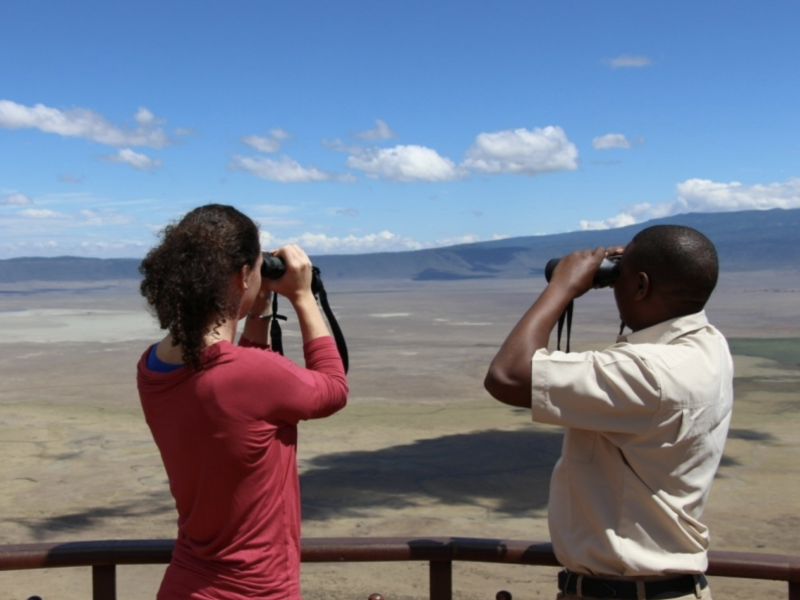
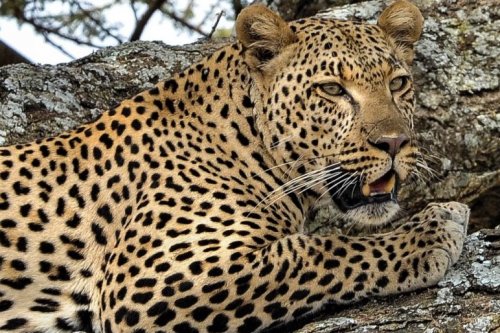
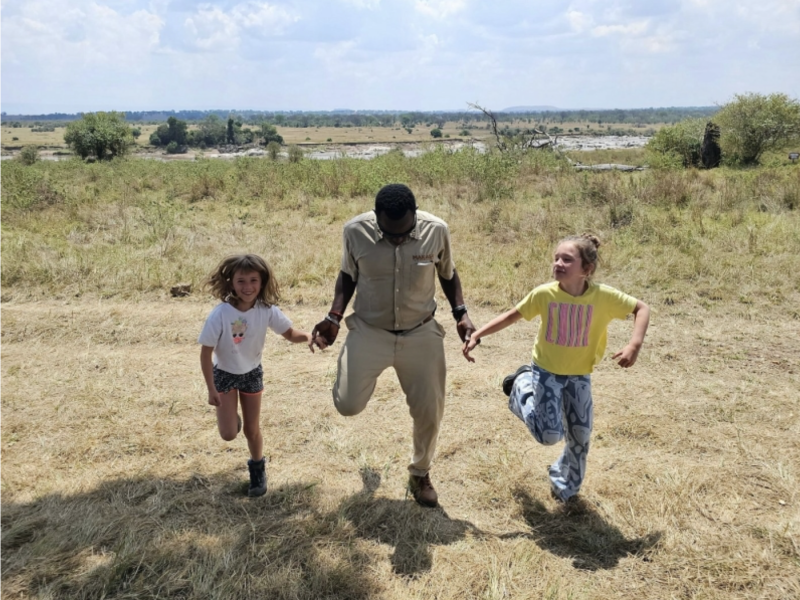
Ask travellers afterwards what made their trip, and they almost never name the animals or the lodges first. They name their guide. Because the guide decides everything. He sees the leopard you would have driven straight past, knows where the lions lie at sunrise, and reads the animals well enough to have you in the right place before anything happens. A good guide shows you what you would otherwise have missed, and tells you why you are seeing what you see.

So this is the part we care about most. Everyone who drives for Makasa is someone we know personally and chose ourselves, on their knowledge of the animals, their patience, and their respect for the wild. They are Tanzanians who grew up with this country, they speak good English, and they can tell when you want to ask questions and when you would rather sit and watch in silence.

What tells us most is that travellers come back and ask for their guide by name. Jolanda wrote about Kelvin, "thanks to his keen eye we saw interactions between animals that we had never noticed ourselves, and he made sure we always felt safe." That is what a good guide does, he turns a good trip into one that stays with you.

And that is not luck. Ngomi, co-founder of Makasa and a zoologist himself, has been guiding for more than thirty years and has trained many Tanzanian guides. His knowledge of animal behaviour and of how these ecosystems work runs through the way we look at guiding. Not just finding animals, but understanding them, and approaching them calmly and with respect.

Your own jeep, built for safari

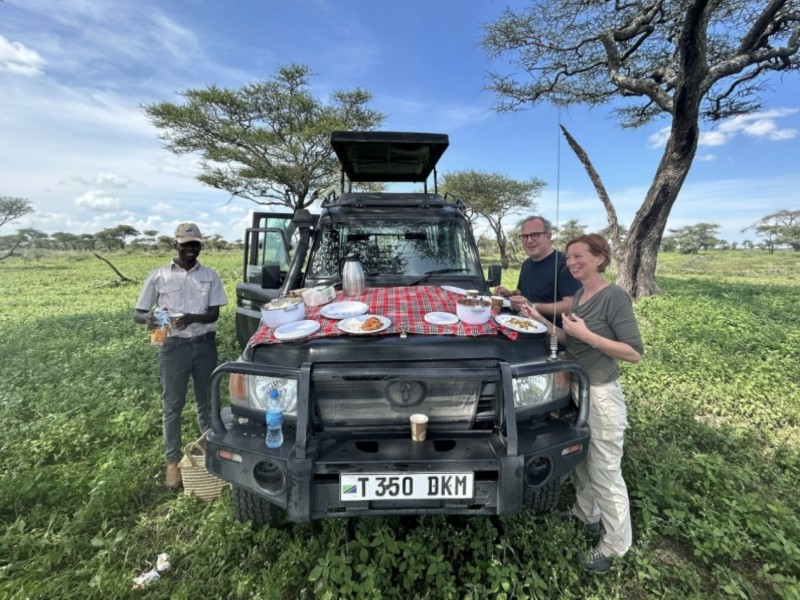
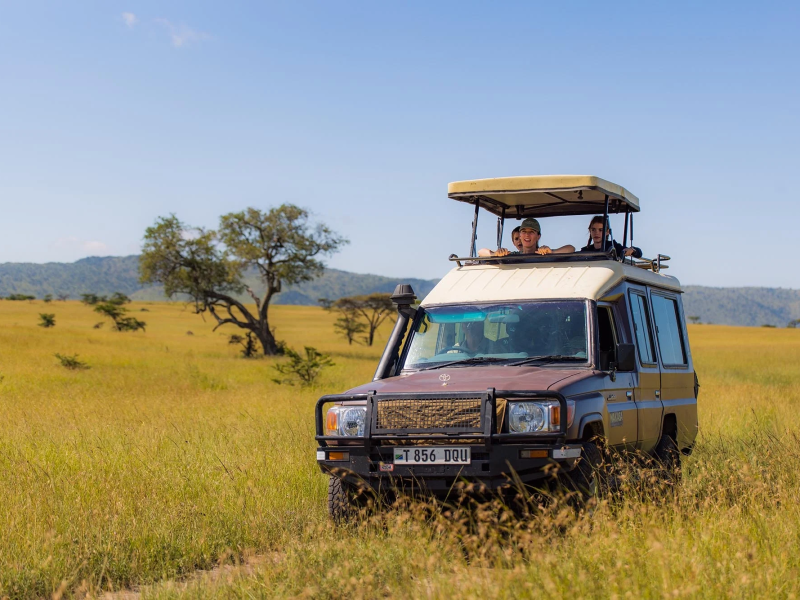
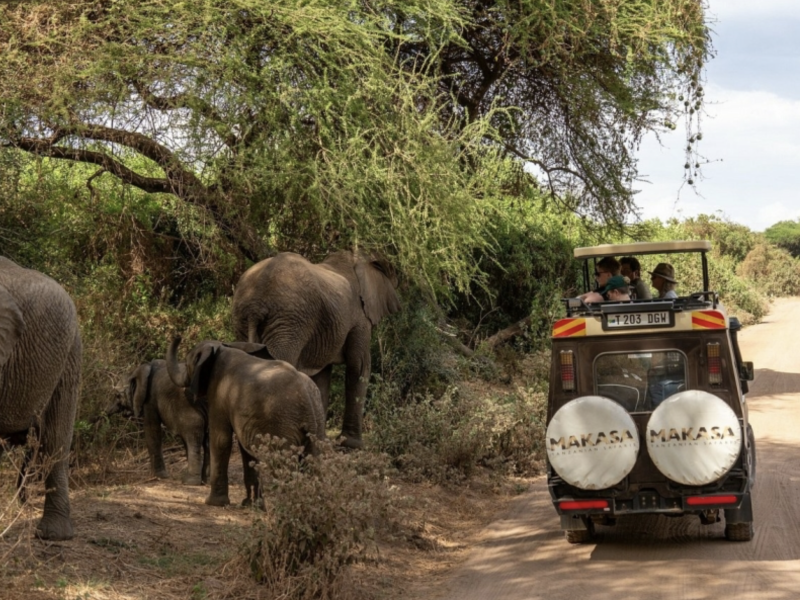
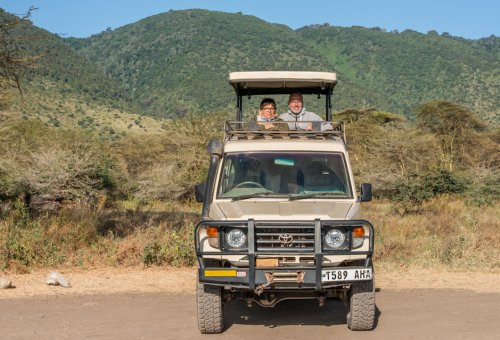
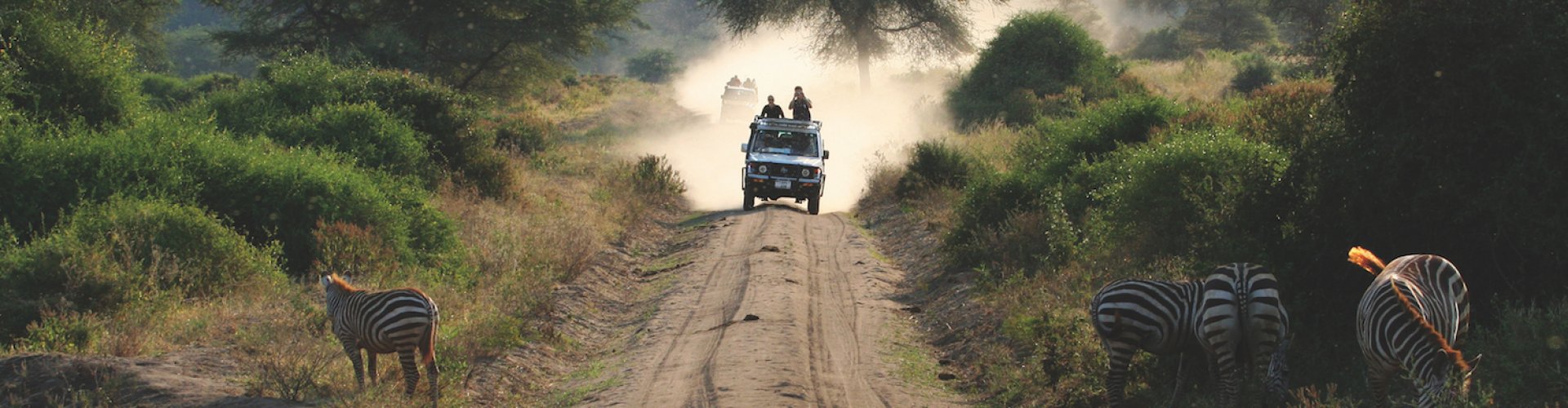
You travel in your own Toyota Landcruiser, rebuilt for safari. It is the most used safari vehicle in Tanzania for good reason, strong, reliable, and built for the tracks inside the parks. The roof opens so you can stand up to look and to photograph, the windows are raised for a better view, and there is room enough to sit comfortably on the longer drives. You can charge your phone and your camera on the way, and the car is yours alone, never shared, with a maximum of seven guests. There is no mileage limit either, so if your guide thinks the cats have moved north, you go north. You will recognise our jeeps by the Makasa logo and our wheel covers.

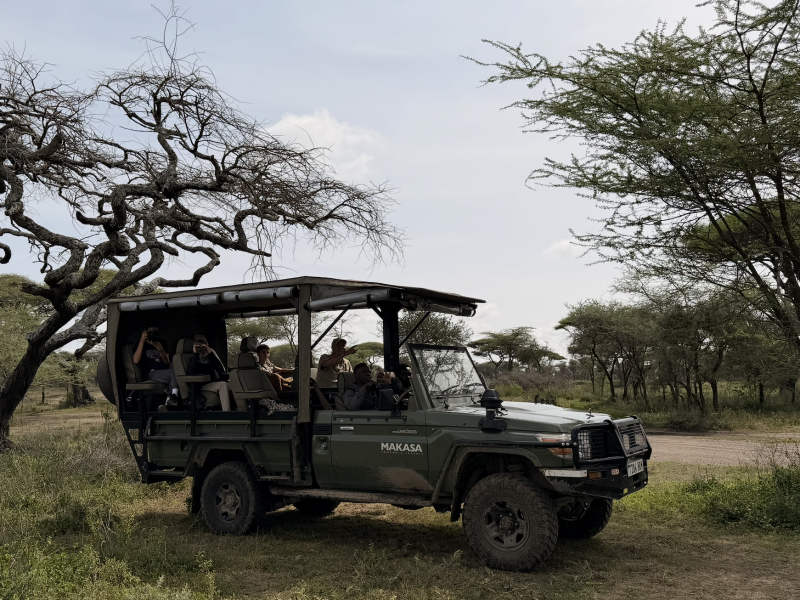
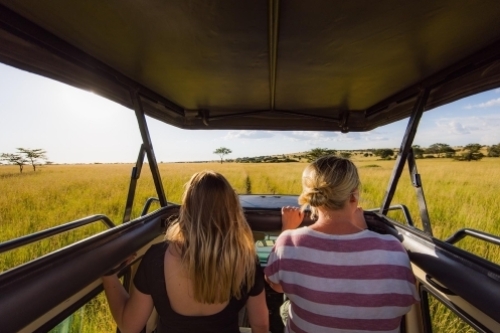
In some places, like the Serengeti and Ndutu, you can also choose our open safari jeep. It has no windows, so you hear more, you feel the wind, and you sit closer to what is around you. It is a good addition when you are staying several nights in the same park and exploring at an unhurried pace. We keep it off the long drives between parks, because over that distance it stops being comfortable.

The parks of the north

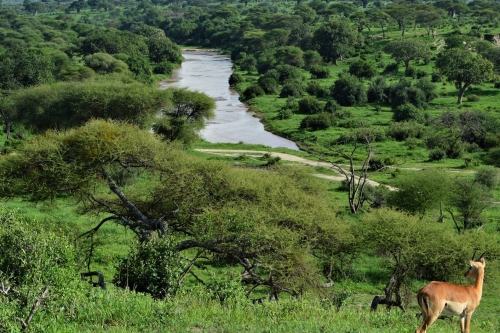
Most safaris happen in the north, and there is a practical reason for that. The parks lie close enough together to drive between, so you lose less of the day to transfers. Each one looks nothing like the last, which is what keeps a two-week route interesting.
Tanzania Safari National Parks

Serengeti National Park

  • Grass plains to the horizon
  • A million wildebeest moving
  • The largest lion population
  • Our own camps in the north

Ngorongoro Crater

  • Thousands of animals below
  • Black rhino
  • Crater walls 600 metres high
  • Tanzania's densest wildlife

Tarangire National Park

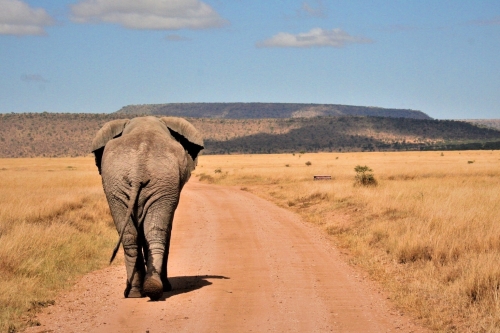
  • Elephants in large families
  • Ancient baobabs
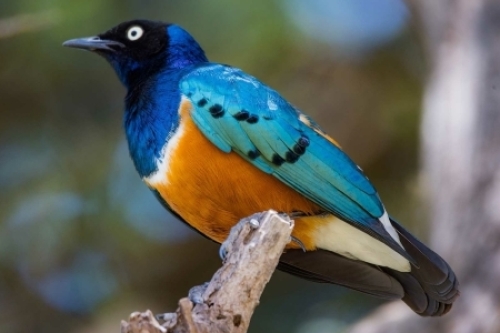
  • More than 550 bird species
  • Two hours from Arusha

Lake Manyara Park

  • Groundwater forest & monkeys
  • Elephants close up
  • The Rift wall as a backdrop
  • A good first safari day

Arusha National Park

  • Walk among the giraffes
  • Canoeing on the Momella lakes
  • Colobus monkeys in the forest
  • Forty minutes from Arusha

Choose your own route

  • Six sample itineraries
  • From nine to fourteen days
  • Always private, your own guide
  • Built entirely around you

The undiscovered south

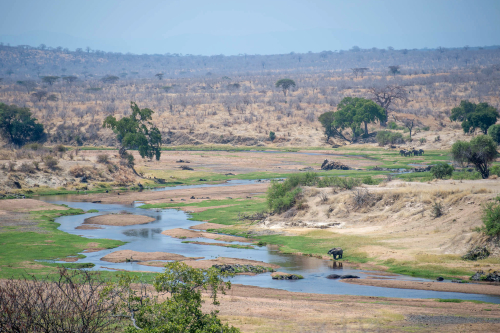
Besides the north, Tanzania has a south that almost nobody drives. Tourism never developed here the way it did around the Serengeti, so there are fewer vehicles, longer distances, and you usually fly in rather than drive. The animals are less used to people, which means you wait longer for a sighting and you get it to yourself when it comes.

Nyerere National Park

  • The largest park in Tanzania
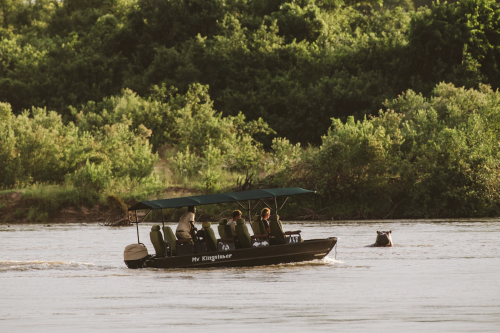
  • Boat safaris on the Rufiji
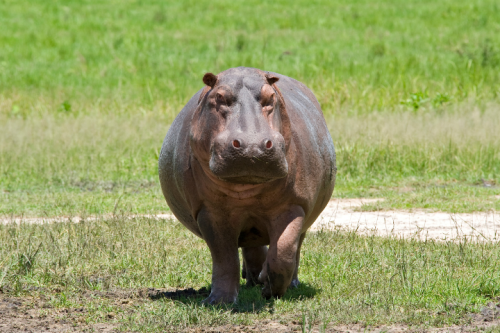
  • Hippo and crocodile in numbers
  • Walking safaris on offer

Mikumi National Park

  • Plains between mountains
  • Elephants, giraffes and zebra
  • The easiest first stop south
  • Close to Dar es Salaam

Ruaha National Park

  • Large elephant herds
  • Baobabs and sand rivers
  • Walking safaris with a ranger
  • Very few other vehicles

Mahale Mountains

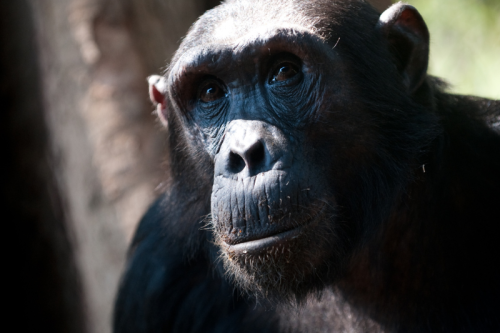
  • Wild chimpanzees in the forest
  • White beach Lake Tanganyika
  • On foot or by boat, no roads
  • Remote and exclusive

Gombe National Park

  • Jane Goodall's park
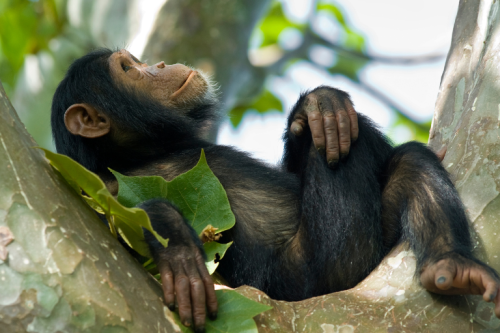
  • Chimpanzees in forest
  • Only reachable by boat
  • The smallest park in Tanzania

Katavi National Park

  • One of the emptiest parks
  • Pools full of hippo
  • Buffalo in their thousands
  • For the real adventurer

More than safari

A safari combines well with the rest of Tanzania. Many travellers add a few days by the sea, or meet the people and the mountains. That completes the trip.

Zanzibar, beach after safari

After the dust of safari, resting on the white beaches of Zanzibar, with warm water and the old streets of Stone Town. The most chosen ending to a trip.

Staying with the Maasai

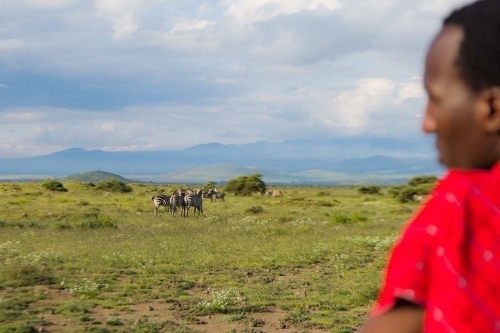
On some routes you stay with a Maasai community, where you come to know their way of life, and your stay supports the people there.

On foot and active

For anyone who wants more than the jeep, from a walk through the Great Rift Valley near Lake Natron to the slopes of Kilimanjaro. A safari can be active too.
Tanzania Safari Camp

Where you sleep on safari

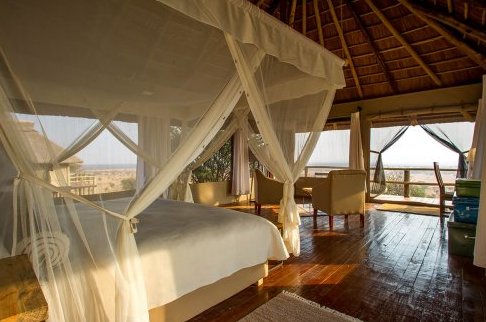
On safari you sleep in the middle of it, not beside it. Most of our camps and lodges sit inside the parks or on their edge, so the sounds outside the tent at night are the reason you came. In the morning you are already where the animals are instead of driving an hour to reach them. Where you sleep is also the part of the trip with the most room to move, so we choose per route rather than per price list, and we will tell you honestly which nights are worth the upgrade and which are not.

One traveller deliberately chooses a simple tented camp, another wants a bed with a view and hot water at six in the morning, and both are good safaris. Kimbilio Lobo and Kimbilio Bologonja are ours. We built them in the quiet north of the Serengeti because we could not stand what the centre of the park had become, twenty vehicles around a single lion. They run on solar power, and out there you often sit with the animals without another vehicle in sight. In April and May some mainland camps close for the rains. There are always enough good ones open, and we will say so if your dates limit the options.

Unforgettable trip
The safari was great, breathtakingly beautiful, not to describe with words, you have to experience this. Not only by seeing it, but by feeling it, smelling it, hearing it. Especially thanks to Humphrey, our guide. He has a lot of knowledge about the animals and he spoke perfect English.
Tanzania Safari Review
Max Wright
Fabulous safari
Fabulous safari in Tanzania. Too many highlights. Camping on Serengeti, Lake Manyara, Ngorongoro Crater. Great Lodges. Fabulous hotel in Zanzibar. A real holiday of a lifetime. If you are thinking of doing a Safari, I can't recommend beautiful Tanzania and of Makasa enough.
Tanzania Safari Review
Dianne Scott
Loved the trip
We did Tarangire National Park, Lake Manyara, Ngorongoro Conservation and Serengeti National Park with Makasa and we loved every minute of it. Serengeti is absolutely stunning and we were lucky to see part of the migration of Zebras and Wildebeests.
Tanzania Safari Review
Ines Adams
Tanzania Safari Makasa Jeep

Ready for your own safari

Every trip we make is different, so there is no price list and no fixed departure. Your park fees, vehicle, guide, accommodation and all your meals are in the quote, and one person looks after you from the first email to the flight home. Tell us roughly when and how long.