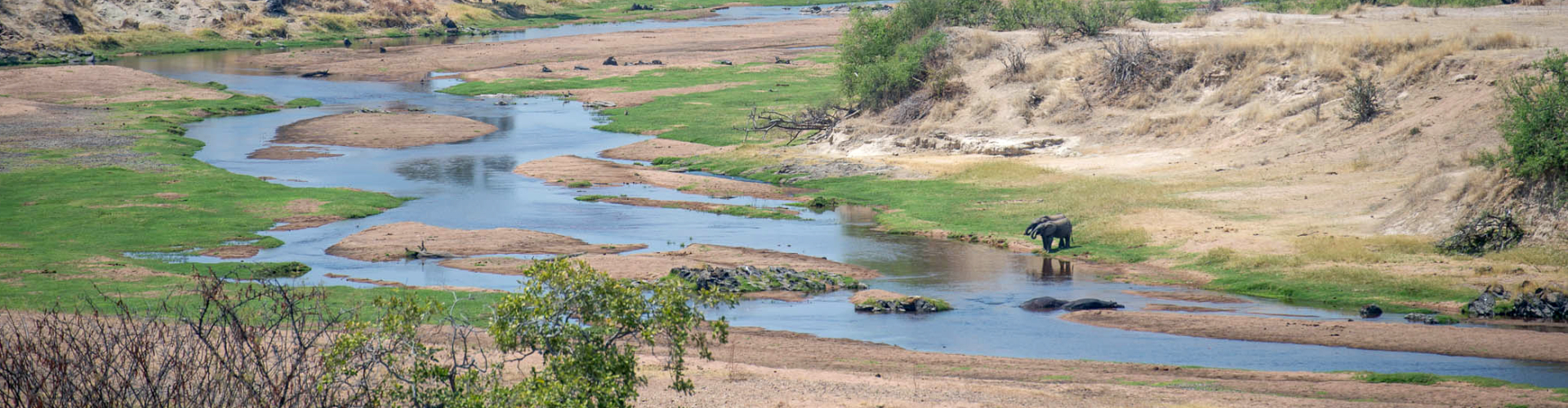
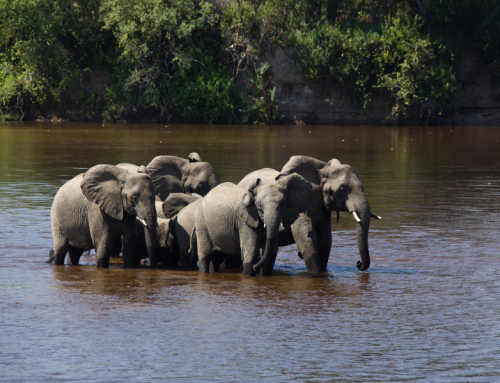
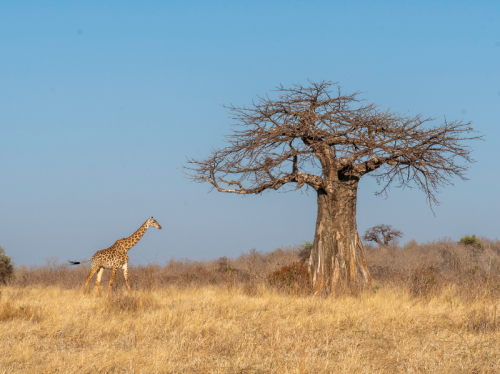
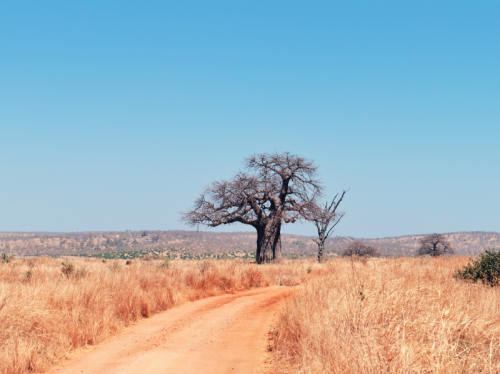
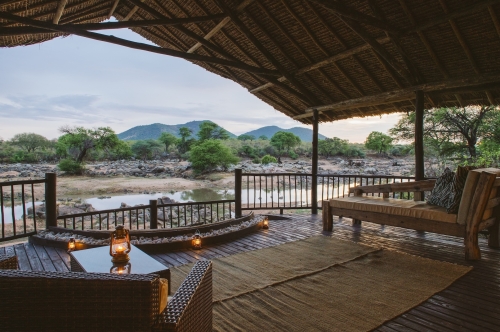
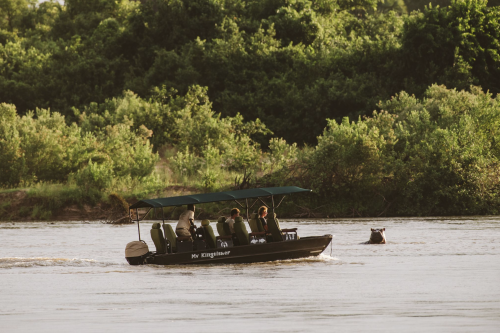
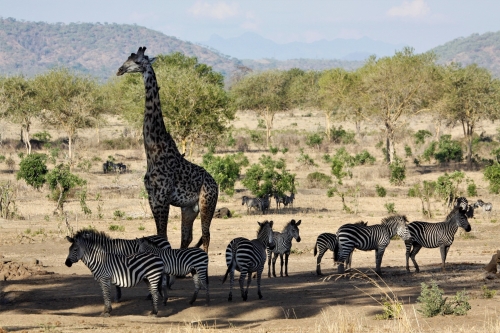
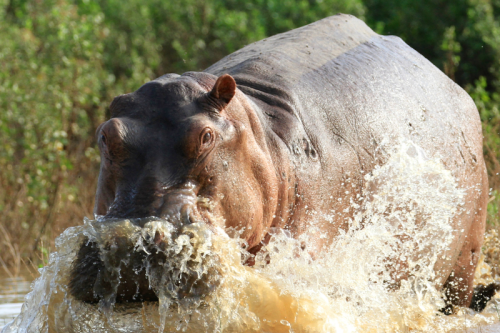
Ruaha National Park is too big to take in one picture, and where you sleep decides what kind of safari it becomes. The centre lies at Msembe, on the Great Ruaha River, and that is where most of the camps stand, on the east side where the game density is highest. This is also the only part where you meet other vehicles in high season, although compared with the north that is few. Close by lie the Mwagusi and Mdonya sand rivers, with sausage trees and large fig trees, classic game country where elephants dig for water.
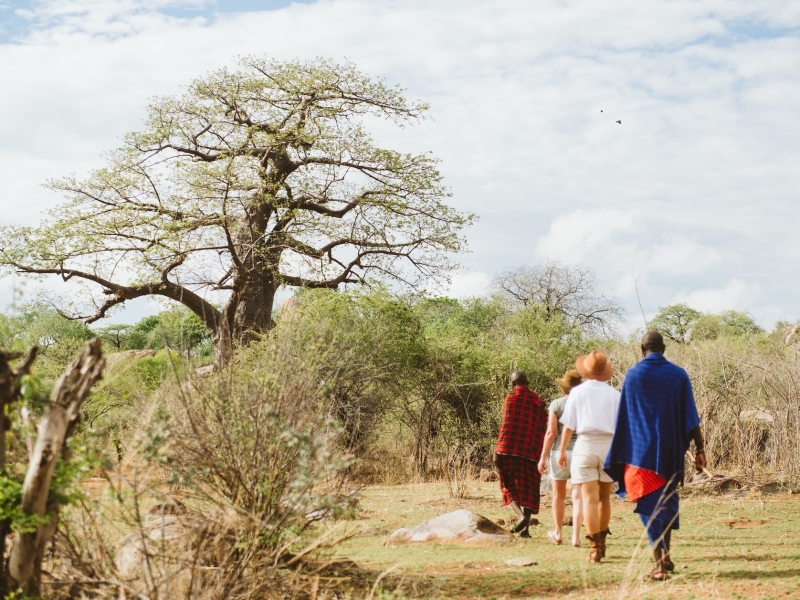
Further southwest lies Jongomero, very remote, with hardly any vehicles and strong walking safaris. The camp there closes from around the middle of March to May. Scattered through the park are rock formations such as the Lunda and Kimilamatonge kopjes, with views over the landscape. And in the southwest lie the Usangu wetlands, part of the park since 2008 and only open to visitors since 2022, through one camp that works from June to November. The focus there is on research and conservation, and the nearest airstrip is two hours of driving away.