Ngorongoro Crater

A collapsed volcano more than twenty kilometres (12 miles) across, with walls six hundred metres (2,000 feet) high and a floor full of game that stays all year. You descend into a closed world where lions, buffalo and rhino live close together.

Ngorongoro in short

Crater floor

260 square kilometres (100 square miles), with walls about six hundred metres high

What the Ngorongoro Crater is known for

One of the highest concentrations of game in Africa, and rhino

The Ngorongoro Crater from Arusha

About 180 kilometres (110 miles), three to four hours by road

Best time to visit the Ngorongoro Crater

Good all year, and descending early makes the most difference

We recommend

One day of its own, not combined with a travel day
Why go to the Ngorongoro Crater

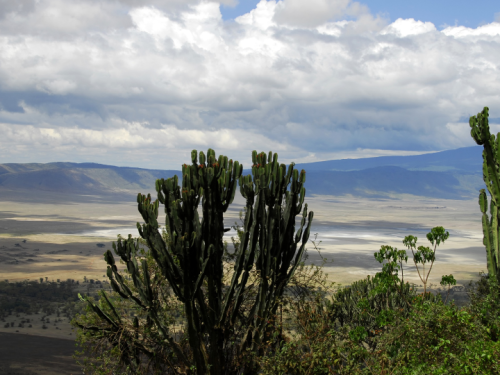
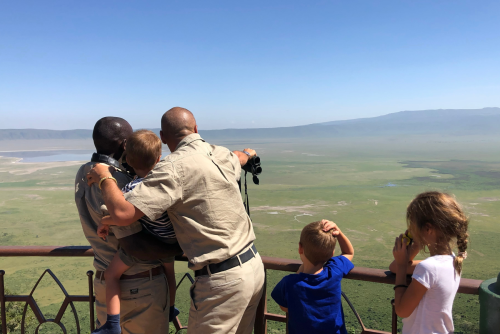
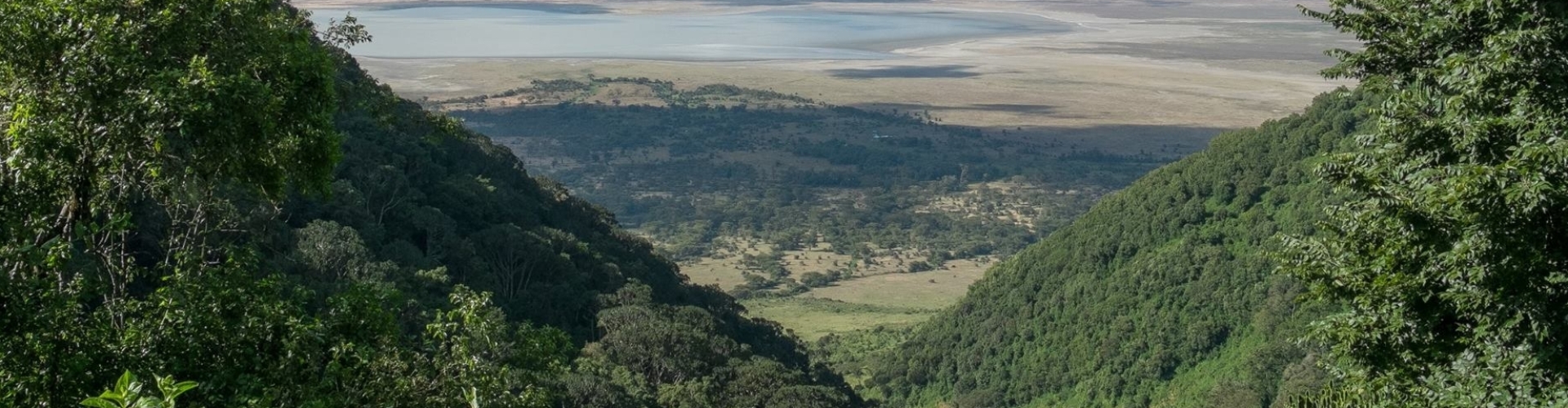
You stand on the rim in the early morning, at 2,300 metres (7,500 feet), and it is cold. Below you mist hangs in the bowl, and then it lifts and you see it properly. A plain of 260 square kilometres, closed in all round by walls six hundred metres high, with a soda lake catching the light in the middle. From up here the buffalo are dots. Then you drive the steep road down, and within twenty minutes you are standing among them. What makes the crater unusual is that the animals stay. In most parks the herds move with the water, so what you see depends on the season. Here water and grass are there all year, and the walls keep a large part of the game inside.

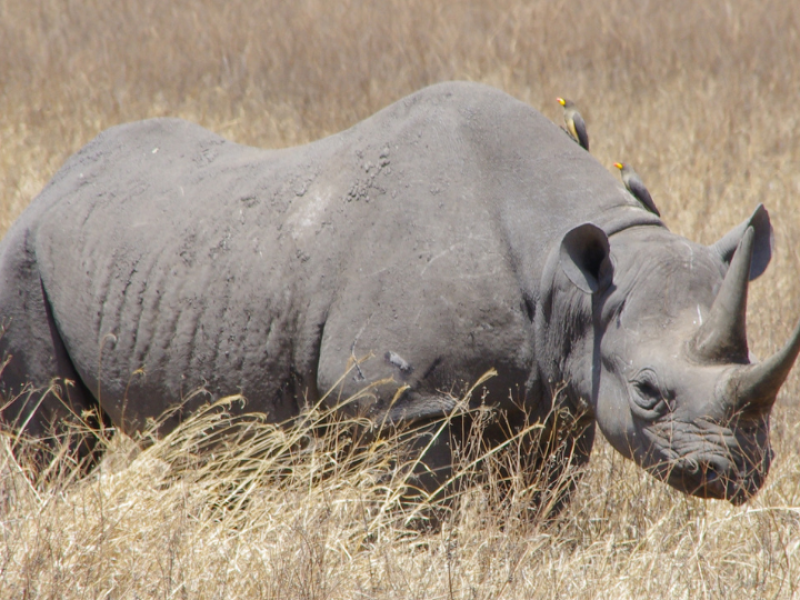
It is also the place where you can see black rhino, one of the few in Tanzania. And since 2026 there are white rhino here too, for the first time in the country's history, brought in from South Africa and released onto the crater floor after more than a year in protected enclosures.

Crater and conservation area, two different things

The Ngorongoro Conservation Area is a protected area of more than eight thousand square kilometres (3,100 square miles), with highlands, two other craters, the archaeological sites of Olduvai and Laetoli, and the plains of Ndutu. And unlike a national park, this is an area where people live. Maasai live in the conservation area with their cattle, alongside the wildlife.

What you see in the Ngorongoro Crater

The crater is known for its density, and that is real. It is worth knowing that a closed bowl also means some animals do not live here.

What you will almost certainly see

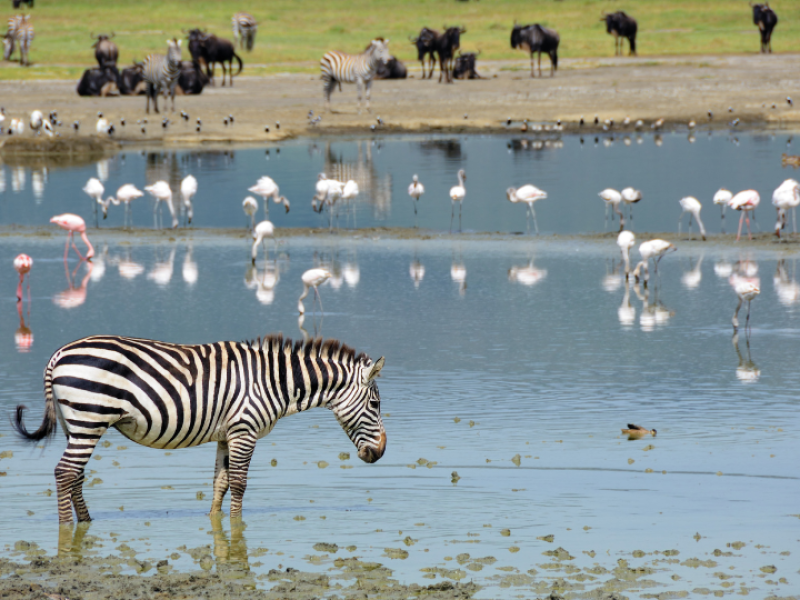
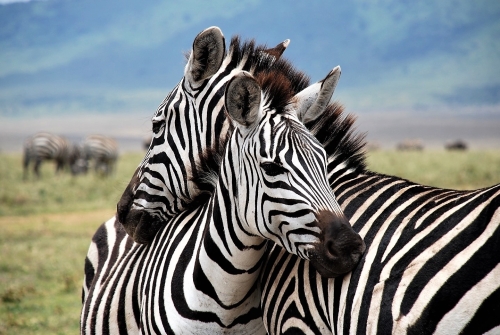
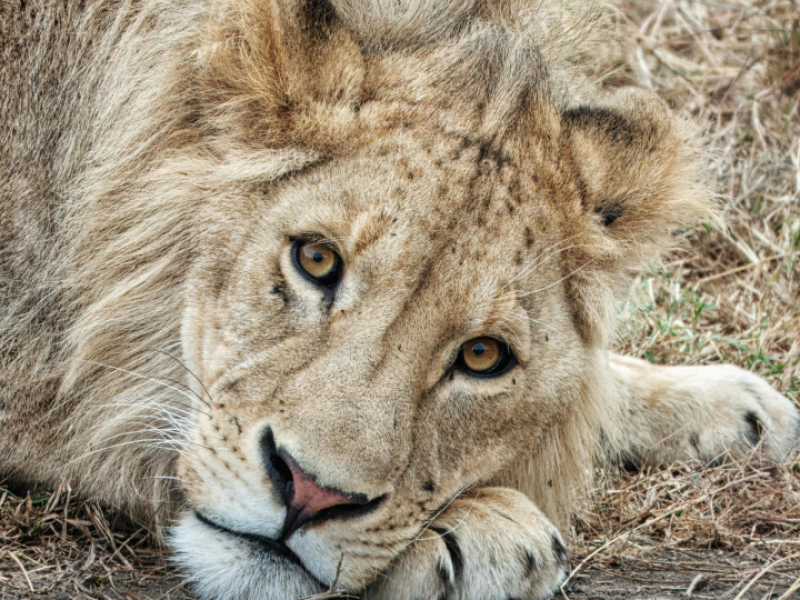
Lions, and that is notable, because the crater population has hovered around fifty animals in a small area for thirty years. Then large herds of wildebeest, zebra and buffalo, spotted hyena, gazelle, eland, Coke's hartebeest, waterbuck and warthog. Hippo in the marshes and at the Ngoitokitok spring. And ostrich and crowned crane out on the plain.

What you see with luck

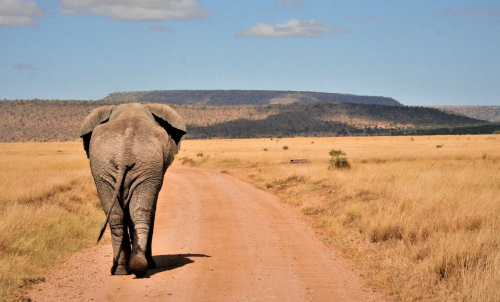
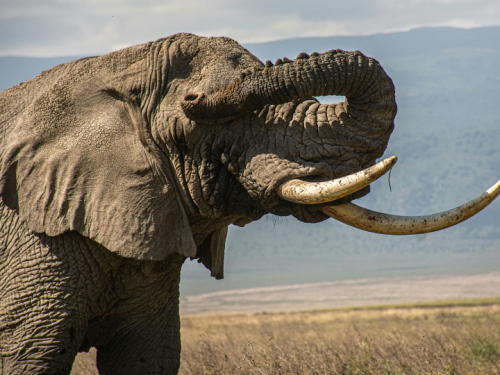
Rhino, usually at a distance, because they often keep to the open middle. Elephants on the floor are nearly always old bulls with heavy tusks, because the herds with cows and calves stay in the forest on the rim. Leopard are more likely in the Lerai forest or on the rim than out on the open plain. Cheetah and serval you see irregularly. And on Lake Magadi there are flamingos, in numbers that swing a great deal with the water level.

What you do not see here

Giraffe do not live on the crater floor, and that surprises a lot of people. The walls are too steep. The same goes for impala, topi and crocodile. Wild dog are practically absent. And the migrating herds do not come through the crater. They move through the Ndutu plains in the west of the conservation area, from December to March.

A story worth telling

The lions of the crater are almost all descended from a handful of animals. In 1962 a plague of biting flies broke out, and nine females and one male survived it. Since then the crater walls have largely cut the population off from outside, and you can see it in the animals. Researchers have followed these lions for decades, and it is one of the best studied populations in the world.

On safari in the Ngorongoro

The crater floor is smaller than people think, and even so every part of it has its own character. In the north there is open grassland where the big herds stand. In the southwest lies Lake Magadi, the soda lake, with flamingos when the water level is right. On the south side stands the Lerai forest, with yellow fever trees, where elephants and sometimes a leopard sit. And in the east lie the Gorigor marsh and the Ngoitokitok spring, where hippo lie and where the picnic site is. The crowds concentrate in a few places, around the lions, around the rhino, and at the picnic sites around midday.

Outside the crater it is a different area. In the northern highlands lie the Olmoti crater and the Empakaai crater, with a crater lake and flamingos, where you can walk with a ranger and where you meet almost nobody. In the west lie the Ndutu plains, where the wildebeest calve from December to March. And in the east lie Olduvai Gorge with its museum, and Laetoli, where footprints three point six million years old have been preserved in volcanic ash.

Your guide makes the difference

In the crater everything turns on timing. The gates open at six, the descent roads close at four in the afternoon, and between those times you decide for yourself how long you stay. Descend early and you drive a quiet floor in the best light, with predators still active. Arrive mid morning and you arrive exactly when everyone else is there. Our guides have driven here for years, and they know where the lions have been seen these last few days, where the rhino hold in this season, and above all where not to be when it gets busy. While others drive to the same sighting, they move on to a part of the floor where nobody is at that moment. That is the difference between a day in a line of jeeps and a day where you stand alone for a while.

The best time to go to the Ngorongoro Crater

The crater is good all year, and that is unusual. Because the water and the grass are always there, the game stays too. So you do not have to avoid a month, you do need to know what each season does. The dry season gives the easiest viewing, the green season the best landscape and the fewest people. In both cases, descending early makes more difference than the month you come.

June to October

The dry season. The grass is short and the view is clear, so animals are easier to find. This is also the busiest period, and in a closed bowl crowds show more than in an open park. On the rim it can come close to freezing at night, so bring warm clothes for the early morning.

November and December

The short rains, which usually fall as an afternoon shower. The landscape turns green, the migrant birds arrive, and there are noticeably fewer vehicles on the floor. From mid December it picks up again over the holidays.

January and February

A dry break between the two rainy seasons, and one of the more pleasant times to be here. Green, fresh, clear, and good game. In the same conservation area the wildebeest are calving on the Ndutu plains then, so this is the period when you can combine the crater with the calving.

March to May

The long rains, with April the wettest month and at the same time one of the best looking. The grass stands high and green, the air is washed clear, and there are few visitors. Loose tracks can turn muddy for a while, and in the early morning mist sometimes hangs on the rim and limits the view on the way down. No part of the crater floor is out of reach in these months.

How long to stay

We set aside a day of its own for the crater, not combined with a travel day. The gates open at six and the descent roads close at four, so a full day gives you the early morning on a quiet floor and the time to wait at a sighting instead of moving on. With a night on the rim close to the descent road, you are down within a quarter of an hour of setting off.

Where it fits in your route

The crater sits halfway along the northern route, between Lake Manyara and the Serengeti. From Tarangire it is about four hours by road, from Lake Manyara two. Most travellers do the crater on the way out to the Serengeti or on the way back, and both work. Which way round it becomes for you depends on the rest of your safari in Tanzania. We take that into account in the proposal, so you are not caught out.

Where you sleep at the crater

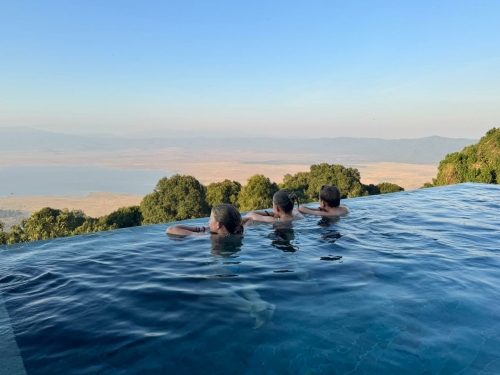
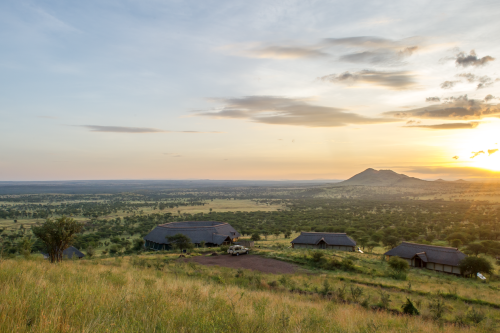
On the crater rim there is a row of lodges, from classic to high luxury, most of them on the south and west sides. The advantage is the distance to the descent road, you are down within a quarter of an hour and that is exactly what you want in the early morning. Some have a view straight into the bowl. There is a concession fee per person per night on top, the properties on the rim generally charge more, and it is cold at night, because you are at 2,300 metres.

Frequently asked questions about the Ngorongoro Crater

How long can you stay in the crater?

It is often written that you may spend a maximum of six hours on the crater floor. That rule appears nowhere in the official regulations. Driving is allowed from six in the morning until six in the evening, and the descent gates close at four. Within those times you decide for yourself how long you stay.

What does a visit to the Ngorongoro cost?

Entry to the conservation area is about seventy-one dollars per adult per twenty-four hours, and children from five to fifteen pay less. On top of that comes a descent fee of two hundred and ninety-five dollars per vehicle, each time you go into the crater. If you sleep on the rim, a concession fee per person per night comes on top as well. The costs run up faster here than at other parks, and we always put them in the proposal in full.

Will I definitely see a rhino?

No, and nobody can promise that. The black rhino of the crater are shy and often keep their distance, so you need good binoculars. Since 2026 there are white rhino here too, and those are often easier to see. The chance is better here than anywhere else in Tanzania, but it is not a guarantee.

Is the Ngorongoro a national park?

No. It is a conservation area, run by its own authority, and the difference is not only administrative. People live in a conservation area, in this case Maasai with their cattle, who share the area with the wildlife. On the crater floor itself nobody has lived since 1974.

Is it crowded?

On the crater floor, yes, above all from June to September and from about nine in the morning. Ngorongoro is the most visited destination in Tanzania. There are rules against congestion, including a maximum of five vehicles at one sighting, but they are not always observed. Descending early and avoiding the busy spots makes the biggest difference, and that is what our guides steer on.

Do the migrating herds pass through the crater?

No. They move through the Ndutu plains, in the west of the conservation area, from December to March. That is a different area from the crater, and it combines well if you travel in those months.

Can you walk in the crater?

Not on the crater floor. Walking is possible on the rim, at the Empakaai and Olmoti craters, and on the Endoro trail to the elephant caves and the waterfalls, always with an armed ranger.

Is it suitable with children?

Well suited. The distances on the floor are short, there is always something to see, and the descent down the crater wall makes an impression. Bring warm clothes for the morning, because it is cold on the rim. Children under five pay no entry fee.

The Ngorongoro Crater in your Tanzania trip

The crater belongs on almost every northern route, and the question is mainly how you schedule it. We would rather set aside a day of its own for it, with a night close by and an early descent, because that decides more than whatever else you add to the trip. Tell us when you want to go, and we will think through the order with you and where you are best off sleeping.

Other parks in northern Tanzania

A safari is almost always a tour past several parks, with two or three nights per place. The Ngorongoro sits halfway along the northern route, between Lake Manyara and the Serengeti, with Tarangire at the start. Every park has its own character, and that variation is what makes the trip.

Tarangire National Park

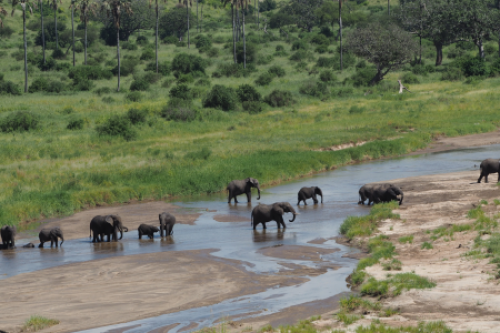
Elephants in families of dozens at a time, among baobabs centuries old.


Serengeti National Park

Endless plains, the largest predator population in Africa, and the stage for the migration of the herds. The park where you want to stay longest.

Lake Manyara

Small and green, with a lake full of flamingos and dense groundwater forest at the entrance.