Tarangire National Park

The park of the elephants and the baobabs, two hours by road from Arusha. In the dry season hundreds of elephants move down to the river, in families you will not see this close together anywhere else in Tanzania.

Tarangire in short

Size

2,850 square kilometres (1,100 square miles), a little smaller than Yosemite

What Tarangire is known for

Elephants, baobabs and the river that holds water all year

Tarangire from Arusha

About 120 kilometres (75 miles), two to two and a half hours by road

Best time to visit Tarangire

July to October, with September the high point

We recommend

One full day, two or three if you have the time

Why go to Tarangire National Park

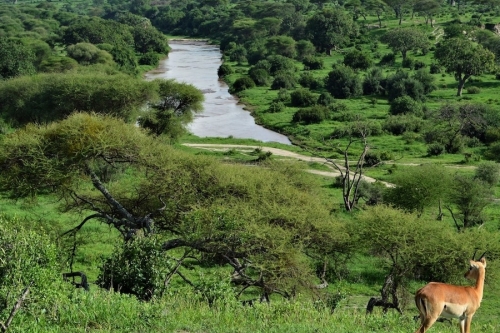
In the dry season the water disappears across the whole of northern Tanzania, except here. The Tarangire river keeps flowing, and the marshes in the south slowly give back what they took in during the rains. Animals from an area many times larger than the park move towards it, and then something happens that you do not see this way anywhere else.

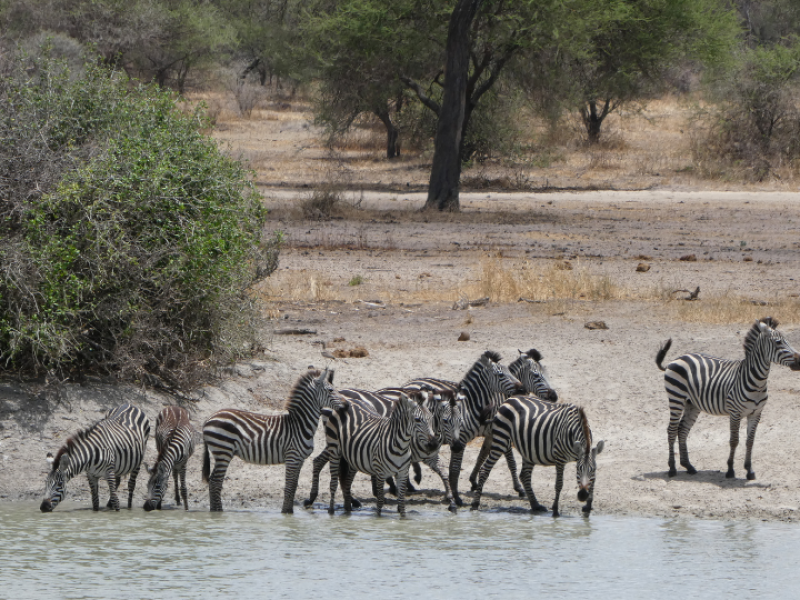
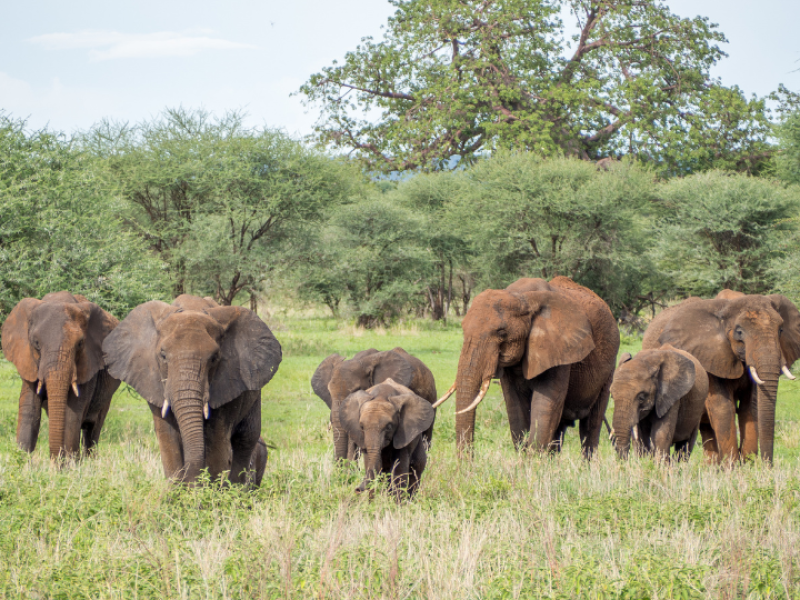
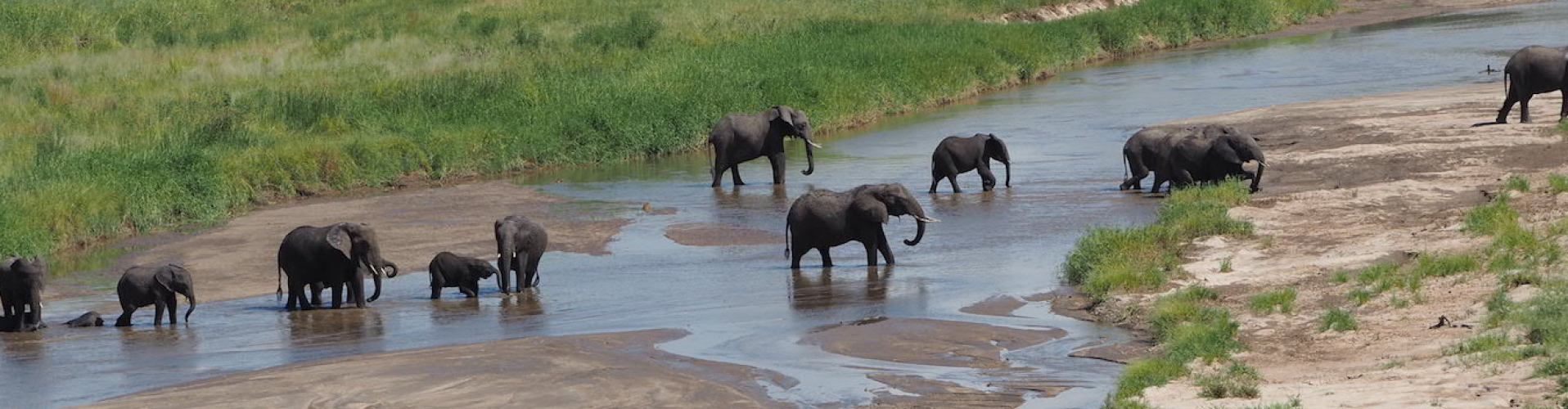
Elephants come down to the bank in families of dozens at a time. Cows with calves, old matriarchs who know the way, young bulls challenging each other in the shallow water. Around them zebra, wildebeest, buffalo and impala waiting their turn. You sit still in the jeep and it carries on around you.

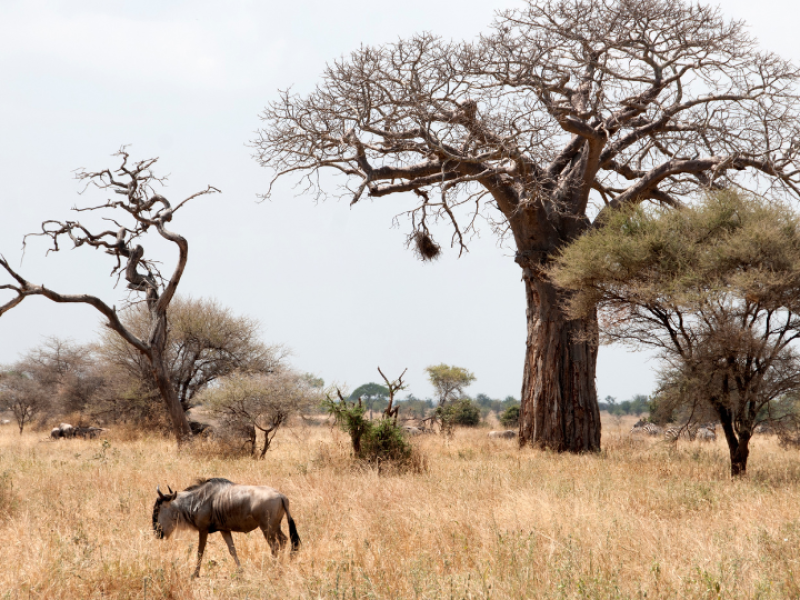
And then the baobabs. Thick, gnarled trees with branches that look like roots in the air, some of them more than a thousand years old. They stand scattered across the plains and they give Tarangire a landscape you recognise at once, different from the open savannah of the Serengeti or the crater floor of Ngorongoro.

Tarangire also has a migration of its own, separate from the one in the Serengeti. Wildebeest and zebra move to the river in the dry season and spread out again with the first rains, across plains far outside the park. Smaller than in the Serengeti, and far less well known, but it is the reason the park exists.

What you see in Tarangire National Park

Tarangire is the park of the elephants. Nowhere in northern Tanzania do you see them in these numbers and this close, and people who have been here talk about that most afterwards. It is a different park from the Serengeti, smaller in scale and greener, with baobabs instead of open plain. And it is worth knowing what Tarangire is strong at, and what it is not, so you get what you expect.

What you will almost certainly see

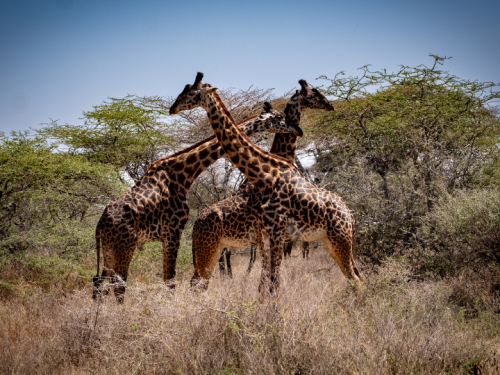
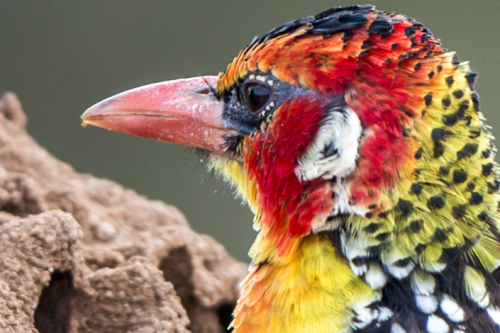
Elephants in large families, and that is what you come for. Then zebra, wildebeest, buffalo, giraffe, impala, waterbuck, warthog and ostrich. And baobabs, everywhere. For birdwatchers this is one of the richest parks in Tanzania, with more than five hundred and fifty recorded species.

What you see with luck

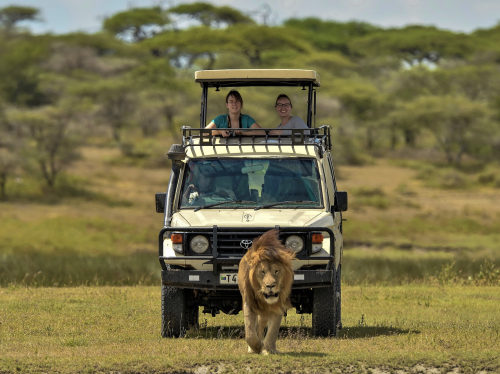
Lion, usually around the river and the Silale marshes. Leopard in the riverine forest. Cheetah on the open grassland. Spotted hyena, eland, the shy lesser kudu, and at Silale sometimes a python.

What you do not see here

Rhino do not live in Tarangire, despite what you read on some sites. Wild dog occur, but so irregularly that we would never count on them. The same goes for gerenuk and oryx, which have become rare in the park.

The numbers, for anyone who wants them

The last reliable count came to 4,202 elephants in the whole Tarangire ecosystem, and around 3,300 animals that use the park itself. That is the largest population in northern Tanzania. You sometimes read figures of eight thousand or more, which come from aerial counts that systematically overestimate elephants because they move in large herds.

Where to go on safari in Tarangire

Tarangire feels very different depending on where you drive. The crowds are in the north, the quiet in the south. In the north, by the main gate, lie the baobab plains and the classic river loop. Everyone comes in here, and in the dry season this is where most of the elephants are. The river itself is the lifeline of the park, with the highest concentration of game and at the same time the busiest traffic. Early in the morning it is a different park from what it is at eleven.

Deeper south lie the Silale marshes. Large buffalo herds, lions looking out over the grass from termite mounds, and sometimes a python. Silale is at its best in September and October, when the marsh still holds water while the rest of the park has dried out. Further south again, at Gursi and Larmakau, lie remote flood plains where you meet almost no other vehicle, strong for birds, and in the wet months sometimes out of reach because of the heavy clay. In the northeast lies Matete, open acacia woodland where leopard sit, and in the west, towards Lake Burunge, you see giraffe and ostrich among rolling hills.

Your guide makes the difference

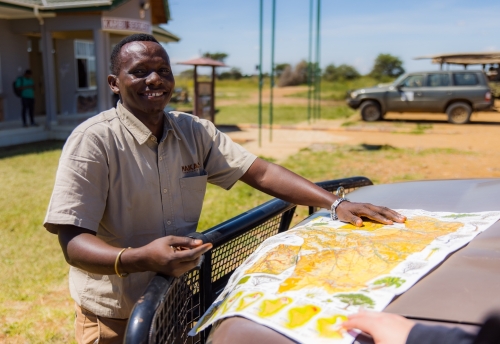
This is exactly the kind of park where it matters who is behind the wheel. The animals move with the water, week by week, and where a herd stood yesterday there may be nothing today. Our guides have driven here for years, in every season. They know which stretches of the river hold water in which month, where the Silale lions are, and how the elephants move when it stays dry for a long time.

They read the landscape as they drive. Fresh tracks in the sand, birds going up, the direction a herd of impala is looking. Those are the things they base their choices on, and they make that choice on the day itself, not beforehand on paper. If you want to stay an hour with a family of elephants at the river, we do that. If you would rather drive on and search, we go deeper into the park. You set the pace, your guide sets the route.

The best time to go to Tarangire National Park

Tarangire changes more with the seasons than most parks, because the animals move with the water. That does not mean there is a wrong month, it means you need to know what you are getting.

July to October, the dry season

This is Tarangire at its strongest. The water has gone everywhere except at the river and the marshes, so everything gathers there. September and the first half of October are the high point, with the largest elephant families at the bank and the best chances of predators. It is also the busiest time, and in the north you notice it.

November and December, the short rains

The landscape turns green in a few weeks. The wildebeest and zebra move out of the park towards the Simanjiro plains. It is quiet, the migrant birds arrive, and the elephants stay largely near the river.

January and February

A dry break between the two rainy seasons, and one of the more pleasant times to be here. The park is green from the short rains that have just fallen, the air is clear, and the temperatures are comfortable. The elephants stay near the river, and for birdwatchers this is the best moment of the year, because the migrants from Europe and Asia are all here. And it is quiet, far quieter than in July and August.

March to May, the long rains

A different park from September, and that is no problem if you know what you are after. The game is more spread out, the grass stands high which makes cats harder to find, and the south can become unreachable. Some lodges close in April and May. What you get in return is a green, quiet park with plenty of elephants and almost no other vehicles. The rain usually falls as an afternoon shower, not all day.

How long to stay

One full day works, and that is how most travellers do it. In the dry season you will almost certainly see large elephant families then, and that is what you come for. What you miss is the south, because that cannot be combined in one day with the drive in and out, and you drive through the hottest hours of the day. With one night in or beside the park, more changes than you would think. You are in the field at sunrise, when the predators are still active and the light is at its best, and you have the time to take in Silale and the south. If your route allows it, we recommend that second day.
Tanzania Safari Makasa Jeep

Where it fits in your route

Tarangire lies at the start of the northern route, two hours from Arusha and on the way to Lake Manyara, Ngorongoro and the Serengeti. We nearly always put it first in a private safari in Tanzania, and there is a good reason for that. Travellers who visit Tarangire after the Serengeti are more often disappointed by it. Not because the park is less, but because your eye has been set to endless plains and enormous numbers. Come here first and it is the park where you learn to look, where your first elephant walks past at ten metres, and where everything is still new. That works better, and it is one of the few ordering choices in a safari that makes a real difference.

Where you sleep in Tarangire

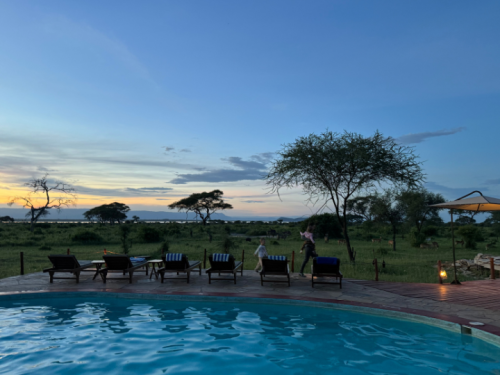
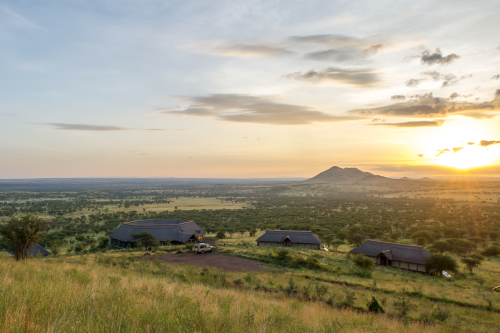
Inside the park there are lodges and tented camps along the river and around Silale. The advantage is clear, you are in the park at sunrise and you do not drive in and out every morning. There is a concession fee on top, so it is more expensive. Just outside the main gate you also find good lodges and camps. A little cheaper, and you are still in the park within a quarter of an hour. And you can come from Karatu or Arusha, but then you are two hours on the road.

Frequently asked questions about Tarangire National Park

What does entry to Tarangire cost?

The last officially published rate is fifty dollars per adult per twenty-four hours in high season, excluding eighteen per cent VAT, so about fifty-nine dollars including. Children from five to fifteen pay less, under five is free. If you sleep inside the park, a concession fee per person per night comes on top. In our proposals we always use the current rate, including all taxes.

Is Tarangire National Park crowded?

In the north, from July to October, yes. Tarangire gets around three hundred and seventy thousand visitors a year, and many of those are day visitors who get no further than the first river loop. If you want quiet, you go out early and drive deeper into the park, or you stay in a community area.

Are there tsetse flies in Tarangire?

Yes, and Tarangire is known for them, because the park has a lot of woodland. They are present all year, above all in the wooded areas. The bite is unpleasant, but sleeping sickness in travellers is extremely rare. Wear neutral colours, because dark blue and black attract the fly, and keep the windows mostly shut when you drive slowly through woodland.

Can you take a balloon flight in Tarangire?

Yes. You lift off at the Silale marshes, fly about an hour over the ridge to the river valley, and have breakfast afterwards under an acacia or a baobab. Reckon on six hundred dollars per person.

Can you do a walking safari in Tarangire?

Yes, and it is a different experience from being in the jeep. You walk in country where elephant, buffalo and lion live, so it always happens with a qualified, armed ranger. You learn to look at the small things you miss from the car, tracks, plants, insects, and you hear the landscape instead of the engine. It is not a walk for approaching animals closely, that is precisely not the idea. Inside the park a walking safari is bound by rules, in the community areas around it there is more scope.

Can you do a night drive in Tarangire?

Yes. During the day most of the predators sleep, and after sunset the park comes to life. With a spotlight you see eyes light up in the grass, and animals you never meet during the day, such as bat-eared fox, civet and genet. Inside the park a night drive is only possible through camps with a permit.

Can you do a boat safari in Tarangire?

No. That is possible at Lake Manyara, and the two are sometimes confused. In Tarangire you go by jeep, and on foot with a ranger.

Is Tarangire suitable with children?

Well suited. The drive from Arusha is short, the elephants are big and close, and enough happens to hold their attention. Children under five pay no entry fee.

When do I see the most elephants in Tarangire?

In the dry season, between July and October, and most of all in September. Then the river is the only water source for miles around and the families come to it in groups of dozens at a time.

Tarangire in your Tanzania trip

Whether Tarangire suits you depends on what you are after and how much time you have. We usually put it at the start of the route, as a first meeting with the wildlife, and most travellers like that best. Tell us when you want to go and what you want to see, and we will think through the order and the number of nights with you.

Other parks in northern Tanzania

A safari is almost always a tour past several parks, with two or three nights per place. Tarangire lies at the start of the northern route, so from here you drive on to Lake Manyara, the Ngorongoro crater and the Serengeti. Every park has its own character, and that variation is what makes the trip.

Serengeti National Park

Endless plains, the largest predator population in Africa, and the stage for the migration of the herds. The park where you want to stay longest.

Ngorongoro Crater

A collapsed volcano with thousands of animals on the floor, close together. One of the few places in Tanzania with black rhino.

Lake Manyara

Small and green, with a lake full of flamingos and dense groundwater forest at the entrance.