
Tanzania and scary animals: the question every traveller asks
'But aren't there dangerous animals in Tanzania?' It's one of the most common questions we receive from people considering a safari. And the honest answer is: yes, there are. But the most honest answer is actually: it's far less frightening than you might imagine — especially once you know what to expect and how to behave.
Selma has been living in Tanzania for over fifteen years, together with Ngomi and their three children. We quite literally live in the country you might be worried about. In this blog, we'll tell you exactly what you might encounter, what the real risks are, and what you can do to ensure everything goes smoothly. No drama — but always honest.
The 'most dangerous' animals aren't the ones you're thinking of
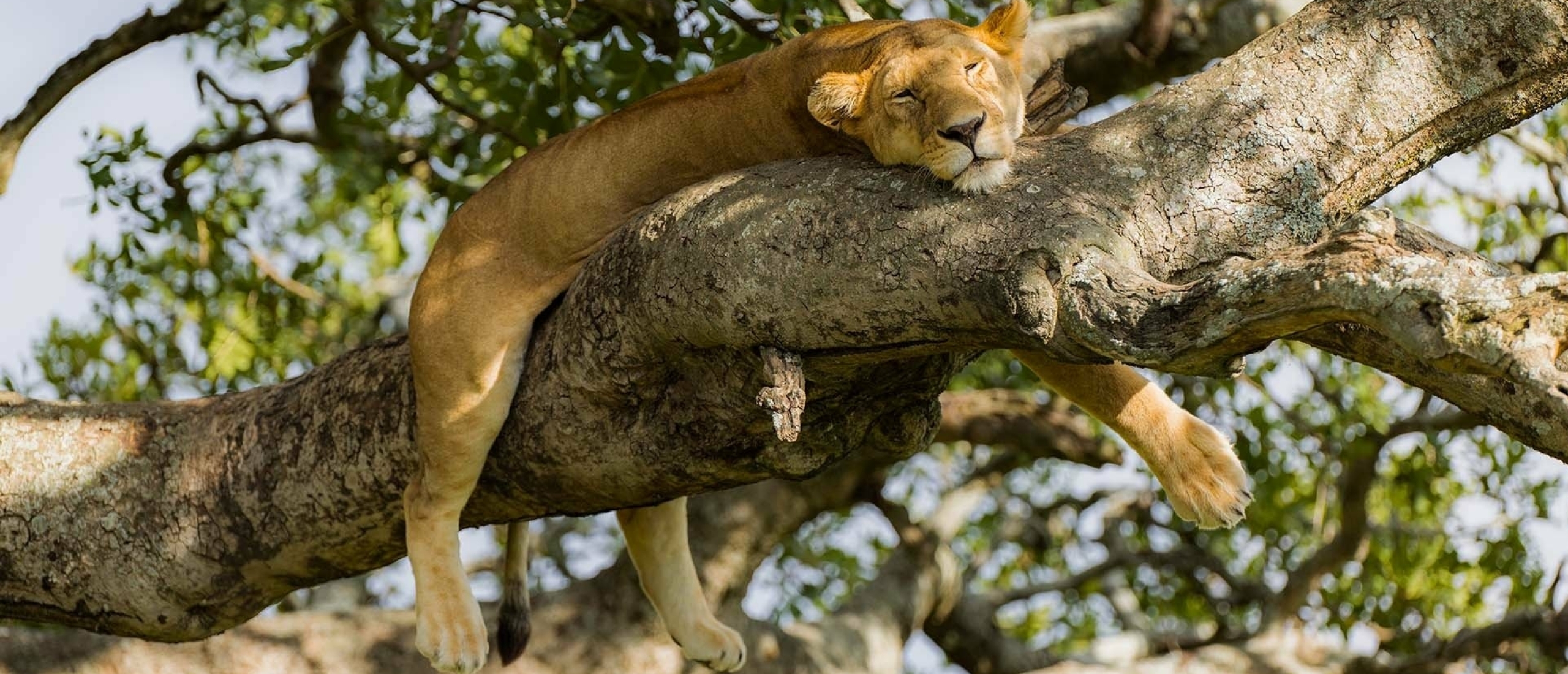
Most first-time visitors to Tanzania are most afraid of lions, leopards or cheetahs. Understandable — they're powerful, impressive animals. But in reality, these predators pose virtually no risk on safari. They're completely accustomed to vehicles, perceive the jeep as a large, inedible object, and have absolutely no interest in you as prey. As long as you stay in the vehicle and respect the rules, you're watching safely from the best seat in the house.
The animals that do deserve more attention are different ones altogether. Let's go through them one by one.
Snakes in Tanzania
How dangerous are they, really?
Tanzania is home to several venomous snake species, including the black mamba, the puff adder and the boomslang. That sounds alarming, but the reality is much more reassuring. Snakes almost exclusively bite when they feel threatened — usually when someone accidentally steps on them or picks them up. A snake that sees you coming would far rather disappear than confront you.
In the fifteen-plus years we've been taking travellers to Tanzania, we have never had a guest bitten by a snake. The chance that you'll even see a snake on safari, let alone encounter one that poses any threat, is extremely small.
Snakes: how to handle them
• Stamp the ground when walking through long grass or dense bush — snakes feel vibrations and will move away
• Wear closed shoes and long trousers in the bush
• Never put your hand into a hole, crevice or under a rock without looking first
• Always light the ground with a torch at night
• Snakes are deaf — shouting is useless, stamping works
The malaria mosquito: the smallest but most serious risk
What is the actual risk?
The Anopheles mosquito, which can transmit malaria, is probably the most concrete health risk for travellers to Tanzania. Malaria is a serious illness — but also one that can be effectively prevented and treated, provided you take the right precautions.
The risk varies by region. In the national parks of northern Tanzania (Serengeti, Ngorongoro, Tarangire, Manyara) the malaria risk is relatively limited due to the altitude and dry climate. In Zanzibar and the coastal regions, the risk is higher, particularly during the rainy season.
Preventing malaria: the key steps
• Take anti-malaria tablets — Malarone (atovaquone/proguanil) is the most popular choice due to its limited side effects
• Apply DEET-based insect repellent (at least 30%) to exposed skin
• Cover arms and legs at sunset and in the evenings
• Always sleep under a mosquito net or in an air-conditioned room
• Consult a travel health clinic before departure for personal advice
• Symptoms: chills followed by high fever — if in doubt, see a doctor immediately
With the right preparation, the malaria risk is minimal. Thousands of travellers visit Tanzania every year without any issues whatsoever.
Scorpions and spiders
Alarming to look at, rarely dangerous
Scorpions are present in Tanzania, particularly in dry, rocky areas. They like to hide under rocks, inside shoes or in dark corners. A sting is painful, but most species found in Tanzania are not life-threatening to healthy adults. Children and people with weakened immune systems face slightly higher risk — an extra reason to be careful.
Large spiders — such as the baboon spider — look intimidating but are generally not dangerous to humans. They don't bite easily and would much rather avoid you altogether.
Scorpions: practical tips
• Always shake out your shoes before putting them on, even inside your lodge or camp
• Lift rocks, logs or other objects from the bottom, never grab from above
• Don't sleep on the ground and check your bedding before turning in
• If stung: keep cool, seek medical attention as soon as possible
Hippos and buffalo: the underestimated ones
Hippos are not cute
They look harmless in photographs, but hippos are statistically one of the most dangerous animals in Africa. They're enormous, surprisingly fast and highly territorial — especially when they feel threatened or when a mother is protecting her young. On safari you observe them from the vehicle, and from that perspective they pose no risk at all. The dangers arise for local communities, fishermen and anyone who approaches the water on foot.
As a safari traveller sitting in a vehicle and following your guide's instructions, you have absolutely nothing to worry about.
The buffalo: the big surprise
Experienced safari guides often name the buffalo as the animal they respect most. Buffaloes are unpredictable, can weigh up to 900 kilograms and have a reputation for circling attackers. But the same principle applies: from a vehicle, at a safe distance and with a skilled guide, the buffalo is one of the most impressive animals you can encounter on safari. No danger — just unforgettable.
Cheeky monkeys: baboons and vervets
Not scary, but certainly annoying — and sometimes intimidating. At the entrance to the Ngorongoro Crater, baboons have perfected the art of stealing food from tourists. They're fast, clever and completely unintimidated by humans. Never leave food visible, keep vehicle windows closed when stopped, and never feed them — it only makes them bolder.
Vervet monkeys are smaller but equally resourceful. In lodges and camps they can slip inside if windows or doors are left open. Wonderful to watch from a safe distance — just keep them outside.
The tsetse fly: annoying but rarely dangerous
The tsetse fly is found in certain parts of Tanzania and can theoretically transmit sleeping sickness. In practice, the risk to tourists is extremely low — the fly is not found everywhere, and the disease is rare. That said, a bite can be quite painful. Lightweight, breathable clothing in earthy tones helps (tsetse flies are attracted to dark colours and blue). Insect repellent unfortunately isn't very effective against this fly, but a long sleeve is.
What about the Big Five? Aren't they dangerous?
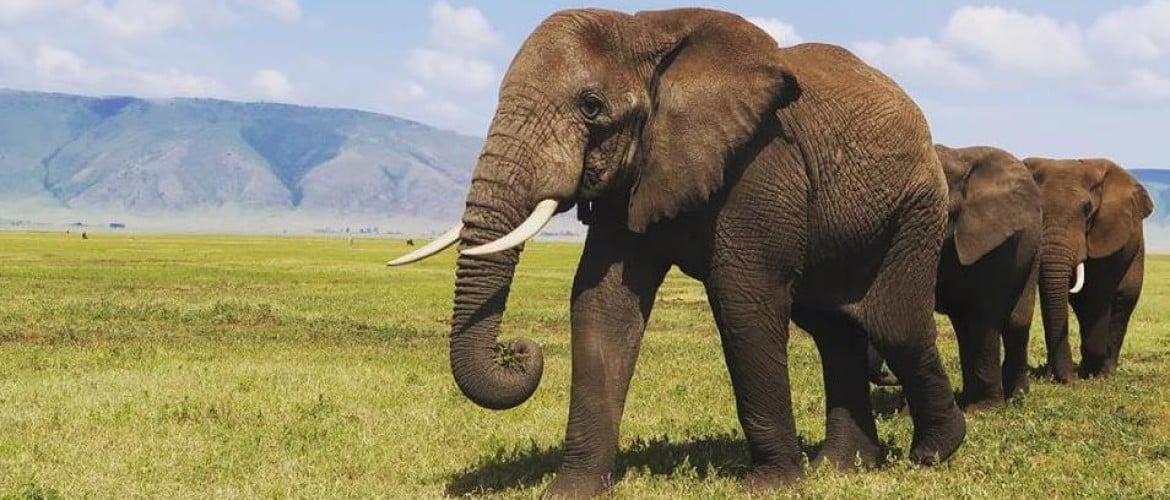
The lion, leopard, elephant, rhino and buffalo were originally called the Big Five because they were considered the most dangerous animals for hunters on foot. But for you as a safari traveller in a vehicle, they simply are not. Elephants are the only ones that can occasionally react aggressively if startled or if young are nearby — your guide knows exactly how to handle this.
The savannah of Tanzania is safer for you as a guest in a vehicle than the average European motorway.
The bottom line: Tanzania is safe if you approach it sensibly
Yes, Tanzania has animals and insects that deserve attention. But no risk is unmanageable — especially when you're travelling with an experienced guide, carrying the right medication and respecting the basic rules. We've been sending travellers to Tanzania for fifteen years, including families with young children, and we do so with complete confidence.
Do you have questions about health and safety for your specific trip? Get in touch — we answer every question honestly and without hesitation.
Ask Makasa your questions or book a free consultation call - we're happy to help!